2026 Best Tips to Sanitize Beauty Machines Between Clients?
In the beauty industry, hygiene is paramount. Clients expect a clean and safe environment. Understanding how to sanitize beauty machines between salon clients is crucial. Effective sanitation protects clients from potential infections.
Several tools and techniques can enhance cleanliness. Regularly disinfecting equipment helps maintain high standards. It's essential to reflect on current practices. Are they sufficient? Assessing your methods can lead to better outcomes. Consider using EPA-approved products for effective sanitation.
Additionally, staff training plays a significant role. Ensure everyone knows the correct procedures. Encourage a culture of cleanliness and responsibility. By prioritizing sanitation, salons can build trust and improve client satisfaction. Safety should always be the top priority in any beauty establishment.
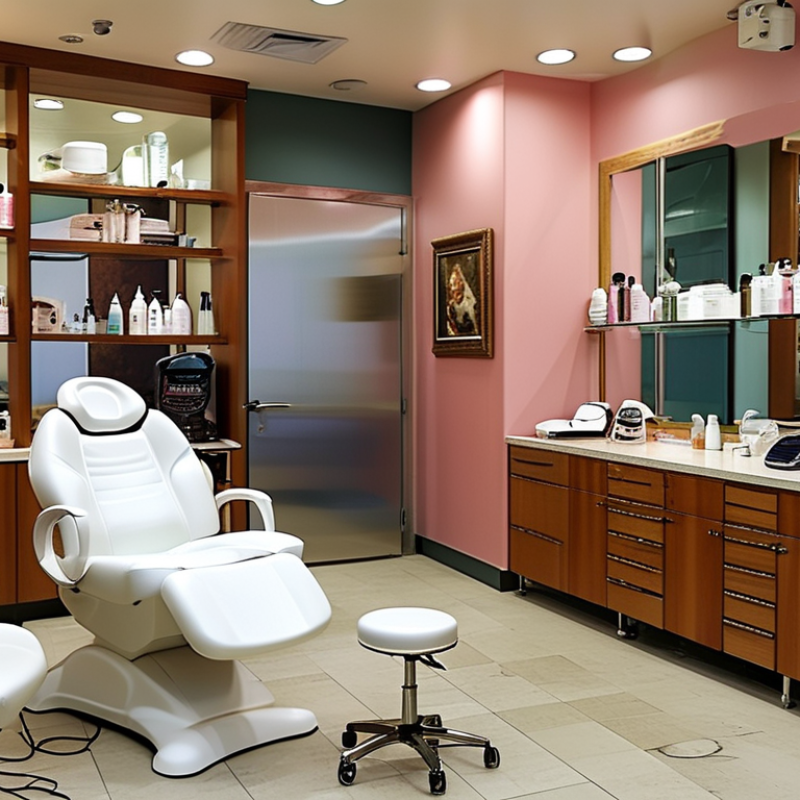
Best Practices for Sanitizing Beauty Machines in a Professional Setting
In a professional beauty setting, sanitizing machines is vital. Each client deserves a clean, safe environment. Regular cleaning routines should be prioritized. Use hospital-grade disinfectants to wipe down surfaces after each appointment. Pay attention to frequently touched areas. Don't overlook handles, buttons, or trays. These spots harbor bacteria.
Consider using disposable covers for machines. They serve as an extra barrier against contamination. But remember, disposables should be changed for every client. Evaluate your approach regularly. Are you skipping any steps? Rushing through the process can lead to mistakes. Create a checklist to follow after each client. This adds an element of accountability.
Educate your staff about sanitation protocols. Everyone must understand the importance of these practices. Build a culture of safety in your salon. Provide spot checks to ensure compliance. Mistakes happen, and learning from them is essential. Reflect on past incidents where sanitation failed. This insight helps improve your sanitization process moving forward.
2026 Best Tips to Sanitize Beauty Machines Between Clients
| Sanitization Method | Recommended Frequency | Products Used | Key Benefits |
|---|---|---|---|
| Disinfectant Wipes | After Each Client | Alcohol-based disinfectant wipes | Quick and easy to use, effective against bacteria and viruses |
| UV Sterilization | Daily | UV sterilizers | Kills pathogens using UV light; thorough and chemical-free |
| Steam Cleaning | Weekly | Steam cleaners | Deep cleans and sanitizes; uses high temperatures for effectiveness |
| Alcohol Spray | After Each Client | 70% Isopropyl alcohol | Effective for quick disinfection; evaporates quickly |
| Cleaning Brushes | After Each Use | Antibacterial soap | Removes debris and pathogens from tools |
FAQS
: Sanitizing beauty machines ensures a clean, safe environment for clients. It prevents cross-contamination and reduces infection risks.
Machines should be wiped down after each client. Regular cleaning is essential to maintain safety standards.
Use hospital-grade disinfectants or EPA-approved products. They effectively sanitize without damaging the equipment.
Yes, disposable covers provide an extra barrier against contamination. They must be changed for each client.
Create a checklist for each cleaning routine. This ensures all steps are followed consistently.
Regular training is key. Many professionals overlook the need for routine care, leading to potential issues.
Regularly review your cleaning processes. Reflect on past mistakes to improve future practices.
Focus on frequently touched areas like handles, buttons, and trays to minimize bacterial harboring.
Equipment failure from poor sanitation can lead to unnecessary repair costs. Proper care extends equipment lifespan.
Acknowledge mistakes and learn from them. Spot checks can help ensure compliance with sanitation protocols.
Conclusion
In the beauty industry, ensuring the cleanliness and sanitation of equipment is crucial for client safety and satisfaction. This article provides comprehensive insights on how to sanitize beauty machines between salon clients. It outlines best practices for sanitizing in a professional setting, emphasizing the importance of having essential cleaning supplies readily available. A detailed step-by-step guide is provided for disinfecting common beauty tools, ensuring that salon professionals can maintain high hygiene standards effectively.
Additionally, the article discusses the importance of understanding infection control standards within beauty services to protect both clients and technicians. To prolong the lifespan of beauty machines and ensure ongoing sanitation, practical tips for maintenance are also highlighted. By following these guidelines, salon professionals can create a safe environment while enhancing their service quality.
