China Top Cryotherapy Slimming Machines Do They Freeze Fat?

Time:2026-10-17 Author:Henry
0%

China’s leading cryotherapy slimming machines promise a colder path to body contouring. Their appeal is easy to picture: a cooling applicator rests against the abdomen, the skin is protected, and targeted fat tissue is gradually exposed to controlled low temperatures. But does cryotherapy slimming really freeze away stubborn fat? The answer is more precise than a simple yes.

Cryolipolysis can damage selected fat cells through controlled cooling. The body then clears those cells over several weeks. Dr. Dieter Manstein, a pioneer of the technology, described cryolipolysis as “a novel, non-invasive method for selective destruction of fat cells.” That statement supports localized contouring, not dramatic weight loss. The distinction matters. Cryotherapy does not replace nutrition, movement, or medical weight-management care.

Machine quality also deserves close attention. Temperature control, applicator fit, skin protection, treatment records, and operator training influence safety and consistency. A machine may look impressive on a showroom floor. That proves little. Reliable suppliers should provide clinical documentation, clear specifications, maintenance support, and appropriate usage guidance. Independent evaluation remains valuable.

Results can vary. Some users notice a smoother waistline; others see modest change. Rare complications can occur, including paradoxical adipose hyperplasia, where treated fat enlarges instead. It is uncommon, but ignoring it would weaken any trustworthy review. This guide examines China’s top cryotherapy slimming machines through evidence, design, usability, and responsible expectations. The technology is promising. It is not magic.
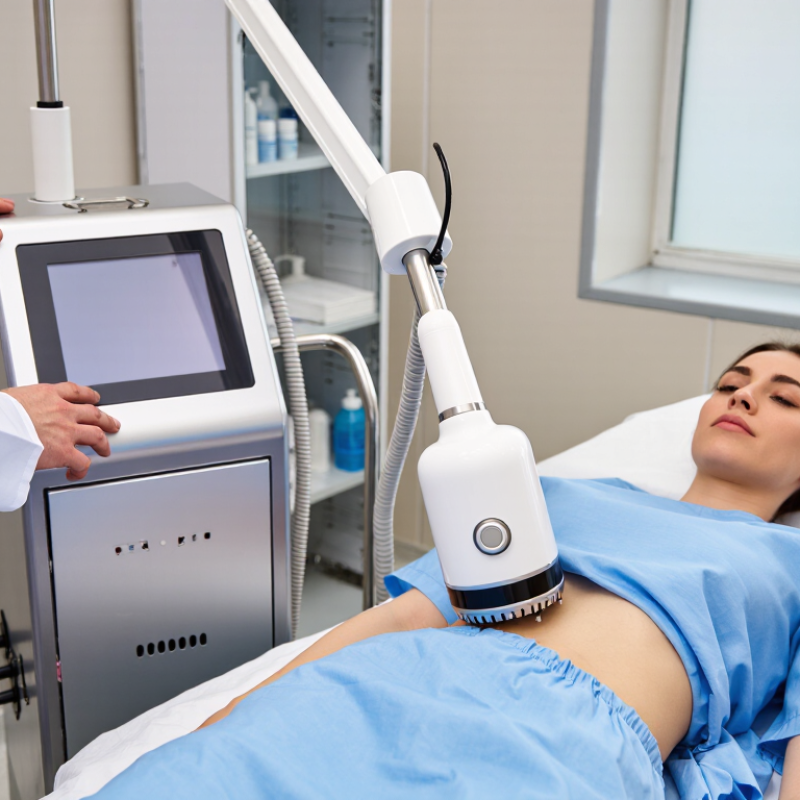
China Top Cryotherapy Slimming Machines Do They Freeze Fat?

What Are Cryotherapy Slimming Machines?

Cryotherapy slimming machines are non-surgical devices designed to cool selected areas of the body. Many use controlled cooling, often called cryolipolysis, to target fat beneath the skin. An applicator gently draws a fold of tissue between cooling panels. The skin should be protected and monitored throughout treatment.

The process is not the same as standing in a cold room. It focuses on a small area, such as the abdomen, thighs, or flanks. A trained practitioner checks skin condition, medical history, and tissue thickness before treatment. Temperature settings, suction strength, and treatment time require careful adjustment. Small details matter.

It does not replace weight loss.

In my assessment, the phrase slimming machine can create unrealistic expectations. These devices may reduce a local fat bulge, but they do not treat obesity or improve overall fitness. Results vary between individuals, and changes usually appear gradually. Some people experience temporary redness, swelling, numbness, tenderness, or bruising. Rare complications are possible, so proper screening is essential.

The outcome is not perfectly predictable. A responsible clinic should explain the evidence, possible limitations, and aftercare in clear language. It should also use equipment maintained according to applicable safety requirements. Photos, measurements, and honest follow-up are more useful than dramatic promises.

How Do These Machines Freeze and Reduce Fat?

Cryotherapy slimming machines use controlled cooling to target fat beneath the skin. They do not freeze the entire body. During treatment, an applicator gently draws a fold of tissue between cooling panels. The skin may feel cold, tight, or briefly numb. Some people notice pulling sensations and mild discomfort.

The cooling lowers fat-cell temperature without intentionally damaging nearby skin. Fat cells are more sensitive to cold than many surrounding tissues. After exposure, some cells undergo a natural breakdown process. The body gradually removes their contents through normal metabolic and immune pathways. This process takes weeks, not days. A smoother contour may appear slowly.

The process sounds simple, but that description is incomplete. Results depend on tissue thickness, applicator placement, treatment settings, and individual biology. These machines reduce localized fat, not overall body weight. They cannot replace balanced nutrition, movement, or medical weight management. A qualified professional should assess skin condition, circulation, medical history, and realistic expectations before treatment. Cooling is not suitable for everyone. Temporary redness, swelling, bruising, tingling, or numbness can occur. In rare cases, fat tissue may enlarge instead of shrinking, so informed consent matters. Evidence supports controlled fat reduction, but outcomes are not perfectly predictable. That uncertainty deserves honest discussion.

What Happens During a Cryotherapy Slimming Session?

During a cryotherapy slimming session, a trained provider first checks your body shape, skin condition, and treatment goals. The target area is marked while you remain awake. A protective gel pad covers the skin. The applicator then gently pulls a fold of fat between cooling panels. You may feel strong cold, pressure, tugging, and brief stinging. It feels strange.

The cooling process stresses fat cells without cutting the skin. Over the following weeks, the body gradually removes some damaged cells through normal metabolic and immune processes. Sessions commonly last about 35 to 75 minutes, depending on the treatment area and equipment. Numbness, redness, swelling, bruising, or tenderness may appear afterward. These effects often fade within days or several weeks. Results take time.

Evidence remains more specific than promotional language suggests. A peer-reviewed review in Plastic and Reconstructive Surgery reported typical reductions of roughly 15% to 28% in the treated fat layer, with results varying by protocol and patient. The U.S. Food and Drug Administration describes non-invasive fat reduction as contouring, not weight-loss treatment. A 2020 systematic review in Aesthetic Surgery Journal also noted generally favorable safety findings, but called for better long-term data. Rare complications, including paradoxical enlargement of treated fat, deserve discussion before treatment. The technology is not identical across machines. A consultation should include device settings, expected changes, contraindications, and aftercare. I would be cautious about promising a dramatic transformation from one session.

China Top Cryotherapy Slimming Machines: Do They Freeze Fat?

What Happens During a Typical Cryolipolysis Slimming Session?

A typical cryolipolysis session may last about 60–90 minutes, depending on the treatment area and device settings. The applicator uses controlled cooling to target fat cells beneath the skin while the skin surface is protected. The body gradually processes the affected cells over the following weeks, so results are not immediate. Actual timing and outcomes vary by patient, treatment area, and medical assessment.

The time values shown are representative clinical-session estimates, not guaranteed treatment times. Cryolipolysis is different from whole-body cryotherapy and should be performed by a qualified professional.

Who Can Use Cryotherapy Slimming Machines Safely?

China Top Cryotherapy Slimming Machines Do They Freeze Fat?

Cryotherapy slimming machines are not suitable for everyone. They are generally considered for healthy adults with stable body weight and small, pinchable fat deposits. These areas may include the abdomen, flanks, thighs, or upper arms. The treatment is not a replacement for weight-loss care, balanced nutrition, or regular movement.

A trained medical professional should review your health history before treatment. People with cold urticaria, Raynaud’s disease, cryoglobulinemia, poor circulation, reduced sensation, or certain blood disorders may face higher risks. Pregnancy, recent surgery, open wounds, active skin irritation, and some uncontrolled medical conditions also require postponement or medical clearance. Diabetes deserves careful discussion, especially when nerve sensitivity is reduced.

Ask how the machine is approved, maintained, and operated. The applicator should fit securely, with protective material placed between the device and skin. Pain, unusual numbness, severe swelling, or blistering should be reported promptly. Results vary, and they may appear gradually rather than immediately. A screening form helps, but it is not perfect. Honest disclosure matters more than choosing the fastest appointment.

China Top Cryotherapy Slimming Machines: Do They Freeze Fat? — Who Can Use Cryotherapy Slimming Machines Safely?

Evaluation Dimension Evidence-Based Information Practical Meaning
Does cryotherapy freeze fat? Localized cryolipolysis cools pinchable subcutaneous fat to temperatures that can damage fat cells while generally leaving the skin and surrounding tissues intact when properly controlled. It may reduce a localized bulge, but it is not a method for general weight loss.
Localized cryolipolysis vs. whole-body cryotherapy Localized treatment targets a specific fat pocket. Whole-body cryotherapy exposes the body to very cold air for a short period and has not been established as a reliable fat-reduction treatment. The treatment name and device design matter; whole-body cold exposure should not be marketed as equivalent to localized fat reduction.
Expected body-contouring effect Clinical studies of controlled cryolipolysis commonly report a modest reduction in the treated fat layer, often around 15%–25% after a treatment cycle, although results vary. Results are gradual and uneven outcomes are possible. Individual response, applicator fit, and treatment area influence the result.
Time to see results The body clears affected fat cells gradually. Visible changes may begin after several weeks, with the final result commonly assessed after about two to three months. Immediate dramatic slimming should not be expected.
Best-suited candidates Adults near a stable, healthy weight who have a small, pinchable area of unwanted fat and realistic expectations are generally the most suitable candidates. It is a body-contouring option, not a substitute for nutrition, physical activity, or medical weight-management care.
People who should avoid or postpone treatment Treatment is generally unsuitable for people with cryoglobulinemia, cold agglutinin disease, paroxysmal cold hemoglobinuria, or a known cold-related injury response. Active skin infection, open wounds, or significant skin damage in the area also require postponement. A qualified medical professional should review the patient’s medical history before treatment.
Conditions requiring extra medical review Pregnancy or breastfeeding, uncontrolled diabetes, impaired sensation, poor circulation, recent surgery, hernia near the treatment site, and significant scarring require professional assessment before use. A consultation helps determine whether the procedure should be avoided, delayed, or modified.
Common short-term effects Temporary redness, swelling, bruising, tenderness, tingling, numbness, itching, or discomfort may occur in the treated area. These effects are usually temporary, but patients should receive clear aftercare instructions and follow-up guidance.
Important uncommon complication Paradoxical adipose hyperplasia is a rare complication in which the treated area becomes enlarged and firm rather than smaller. It may develop months after treatment and may require medical or surgical management. Patients should be informed about this risk and seek medical advice if a persistent, enlarging mass develops.
Device and operator safety Safety depends on appropriate device indications, intact cooling controls, protective membranes where required, correct applicator placement, and trained supervision. Consumers should verify regulatory authorization in their country and use a qualified, trained provider rather than relying only on promotional claims.
Who should not rely on cryotherapy for slimming? People seeking substantial weight reduction, treatment for obesity, or a replacement for a medically supervised weight-loss plan are unlikely to achieve their goals with cryotherapy alone. Cryotherapy may contour selected areas, but sustainable weight management requires an appropriate overall health plan.

Safety note: Cryotherapy slimming procedures should be performed only after an appropriate health assessment and according to the device’s authorized instructions. This table provides general information and does not replace professional medical advice.

How to Evaluate China’s Top Cryotherapy Slimming Machines?

China’s top cryotherapy slimming machines should be judged by evidence, not appearance or price. Controlled cooling can damage selected subcutaneous fat cells, which the body gradually clears. It does not replace weight management. Results also vary by treatment area, fat thickness, and patient health.

Check the technical file carefully. Confirm cooling temperature, sensor accuracy, pressure control, and emergency shutoff functions. A reliable device should provide stable readings during a full treatment cycle. Ask for published clinical data, not only factory photographs or sales claims. Regulatory approval must match the intended market. Documentation should include user training, cleaning procedures, contraindications, and maintenance records.

A practical evaluation should include a live demonstration. Watch how the applicator fits around the abdomen or thighs. Poor contact may create uneven cooling. Ask whether the system records temperature changes automatically. Review warranty terms and spare-part availability. Speak with trained medical professionals who have used the equipment in comparable cases. Their feedback may reveal discomfort, skin reactions, or difficult recovery issues that brochures omit. I would not rely on one impressive session or a low quotation. Even a well-engineered machine can disappoint when patient selection and operator technique are weak.

FAQS

Who may safely use a cryotherapy slimming machine?

Healthy adults with stable weight may be considered. They should have small, pinchable fat areas. Typical areas include the abdomen, thighs, flanks, or upper arms. It is not a weight-loss replacement.

Who should avoid or postpone treatment?

People with cold urticaria, Raynaud’s disease, poor circulation, or reduced sensation may face higher risks. Pregnancy, open wounds, skin irritation, and recent surgery require postponement. Some medical conditions need professional clearance. It depends.

Is diabetes a concern before treatment?

Diabetes requires careful discussion, especially with reduced nerve sensitivity. Numb skin may not clearly signal excessive cold or pressure. A qualified medical professional should review the person’s health history. Honest details matter.

Does the machine actually freeze fat?

Controlled cooling can damage selected fat cells beneath the skin. The body gradually clears these cells afterward. It does not remove all body fat. Results can be slower than expected.

How should someone evaluate a cryotherapy slimming machine?

Check temperature control, sensor accuracy, pressure control, and emergency shutoff functions. Ask for clinical data, training records, cleaning procedures, and maintenance logs. Factory photographs prove very little. Price alone is a weak guide.

What should happen during a live demonstration?

Watch how the applicator fits around the abdomen or thigh. Poor contact may create uneven cooling. Protective material should separate the device from the skin. The system should record temperature changes clearly.

What symptoms require prompt reporting?

Report severe pain, unusual numbness, major swelling, or blistering promptly. Mild discomfort may occur, but severe symptoms should not be ignored. Recovery varies. That matters.

Can one treatment prove that a machine works well?

No, one impressive session is not enough evidence. Results vary with fat thickness, treatment area, health, and operator technique. A screening form also has limits. I would still question strong promises and unusually low prices.

Conclusion

Cryotherapy slimming machines are noninvasive body-contouring devices designed to cool targeted fat tissue without surgery. They use controlled temperatures to stress fat cells, which may gradually break down and be naturally cleared by the body. During a session, an applicator or cooling panel is placed on the selected area while the user may feel intense cold, pressure, tingling, or temporary numbness. Results are usually gradual and vary by individual, so the question “does cryotherapy slimming really freeze away stubborn fat” should be answered with realistic expectations: it may reduce localized fat, but it is not a weight-loss solution or replacement for healthy habits.

Safe use depends on proper screening, accurate temperature control, suitable treatment areas, trained operators, and clear maintenance procedures. People with cold-related medical conditions, poor circulation, certain skin disorders, or other health concerns should seek professional advice before treatment. When evaluating China’s top cryotherapy slimming machines, consider safety certifications, temperature stability, applicator design, user controls, clinical support, warranty coverage, and after-sales service rather than relying only on appearance or marketing claims.

Henry

Henry

Henry is a dedicated marketing professional with a profound expertise in the company's offerings. With years of experience in the industry, he possesses an impressive understanding of the market dynamics and consumer behaviors that drive success. Henry is committed to sharing his insights through......