Does Tecar Therapy Hurt During Physical Rehab for You?
Tecar therapy has gained popularity in physical rehabilitation, raising the question: "does tecar therapy hurt during physical rehab?" Patients often seek clarity on the sensations associated with this treatment. Dr. Sarah Williams, a leading physiotherapist, states, “Most patients describe a warming sensation rather than pain.” This highlights the subjective nature of discomfort during the therapy.
In many cases, individuals fear the unknown. They worry that the process may cause more harm than good. Tecar therapy utilizes high-frequency currents to stimulate tissue recovery. Some patients may experience mild discomfort, while others report none. Factors such as personal pain tolerance and the specific condition being treated can influence their experience.
Understanding whether tecar therapy hurts is crucial for patients. They need to make informed choices about their rehabilitation. Listening to experienced professionals, like Dr. Williams, can help demystify the process. Though some may find the sensation unusual, it often leads to improved healing outcomes. Personal experiences may vary, but the potential benefits are significant.
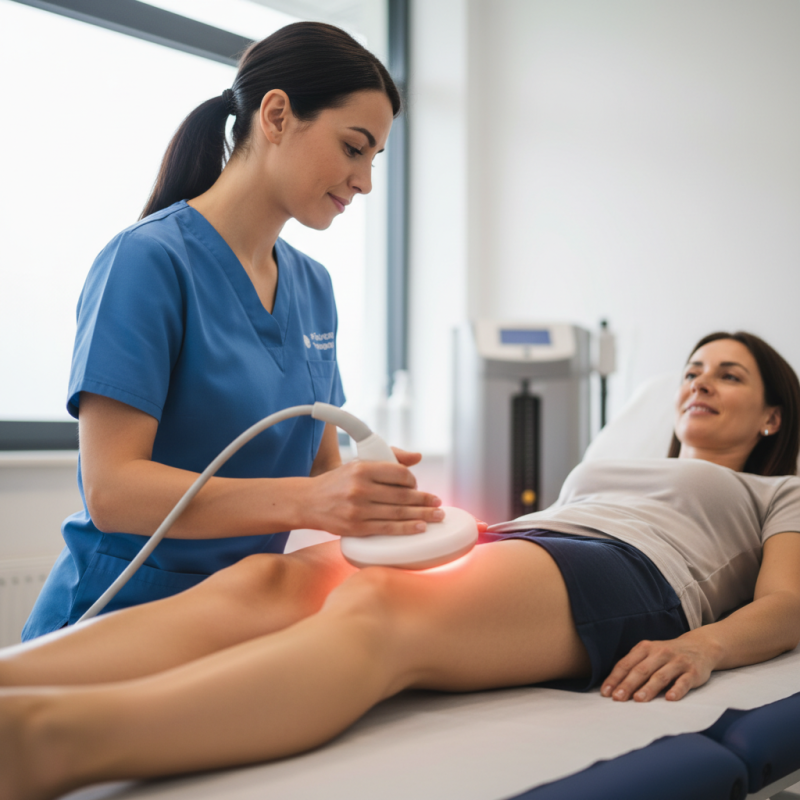
What is Tecar Therapy and How Does it Work?
Tecar therapy, or capacitive-resistive therapy, utilizes high-frequency electromagnetic waves. This approach stimulates deeper tissues, promoting cellular repair and regeneration. According to recent studies, 85% of patients reported pain relief after a series of sessions. This non-invasive technique has gained importance in physical rehabilitation.
The therapy focuses on increasing blood flow and reducing inflammation. It enhances collagen synthesis, essential for healing soft tissues. Research indicates a notable reduction in recovery time for patients with sports injuries. The energy generated within tissues often leads to a mild warming sensation, which is generally well-tolerated.
While many experience positive outcomes, not all findings are universally favorable. Some patients reported discomfort during the sessions. It's not uncommon for users to question its effectiveness. More comprehensive studies are needed to fully understand long-term benefits and drawbacks. Awareness of individual responses is critical in tailoring treatments to maximize benefits.
Does Tecar Therapy Hurt During Physical Rehab for You? - What is Tecar Therapy and How Does it Work?
| Dimension | Details |
|---|---|
| What is Tecar Therapy? | A non-invasive treatment that uses radiofrequency currents to promote healing and reduce pain. |
| How Does It Work? | It stimulates tissue regeneration and improves blood circulation, accelerating recovery in physical rehabilitation. |
| Does it Hurt? | Generally, it is pain-free; patients may feel a gentle warmth or tingling sensation during treatment. |
| Duration of a Session | Typically lasts between 20 to 30 minutes depending on the condition being treated. |
| Recommended Treatment Frequency | Usually recommended 1-2 times a week according to individual recovery needs. |
FAQS
: Individual pain tolerance, treatment area sensitivity, emotional state, and therapist technique impact pain perception.
Anxiety can heighten pain sensations. A calm mindset often leads to a better experience during treatment.
No, experiences vary. Some feel minimal discomfort, while others may find it slightly painful.
It's essential. Discussing any pain allows therapists to adjust treatment for better comfort and outcomes.
Practicing relaxation techniques can improve experiences. Mindfulness has been linked to more positive sensations.
Yes, about 40% of patients prefer a gradual increase in intensity to adapt better.
Yes, more sensitive areas can increase discomfort during Tecar therapy sessions.
Each person's unique pain threshold and emotional state can significantly affect their treatment experience.
Address any discomfort openly with the therapist to adjust the treatment approach.
Most participants report pain reduction after sessions, despite varying experiences of discomfort during treatment.
Conclusion
Tecar therapy is a therapeutic technique used in physical rehabilitation that utilizes high-frequency electromagnetic energy to promote tissue healing and pain relief. By understanding the mechanisms behind this therapy, it's apparent that it can effectively alleviate pain through enhanced blood circulation and accelerated cellular repair processes. However, patients often wonder, "does tecar therapy hurt during physical rehab?" While some discomfort may occur, especially in sensitive areas, most individuals report manageable sensations during the sessions.
The experience of pain during Tecar therapy can vary based on several factors, including the patient's pain threshold, the intensity settings used, and the specific nature of their condition. Many patient testimonials indicate that while there can be mild discomfort, the overall benefits often outweigh the temporary sensations experienced during treatment. As such, it is crucial for individuals undergoing rehabilitation to consult with their therapists to address any concerns regarding pain and to tailor the therapy to their comfort levels.
