China Top 10 HIFU Devices Why Is Skin Red After Treatment?

Time:2026-11-16 Author:Charlotte
0%

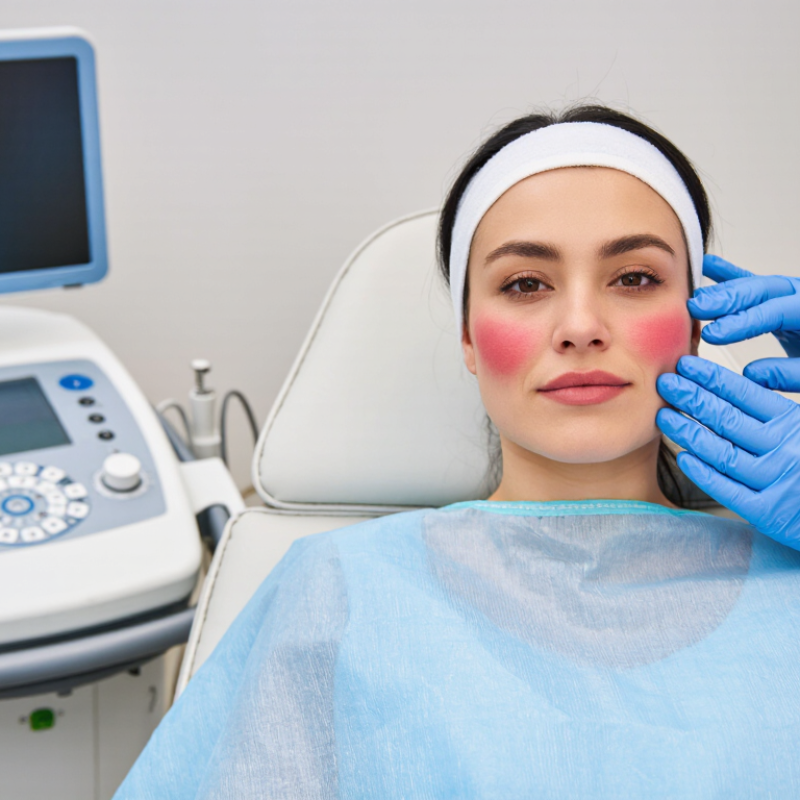
Why Is Skin Red After Treatment? It is a sensible question after a HIFU session, especially when cheeks feel warm or look flushed in the mirror. The search phrase “why is my skin red after a hifu treatment” reflects a common concern, but redness alone cannot show whether treatment worked. High-intensity focused ultrasound delivers energy beneath the skin’s surface. Temporary redness can follow this controlled heating response. The FDA’s Ulthera device information lists redness among possible treatment effects, while published clinical reviews describe it as generally temporary. These sources do not make every device or treatment plan identical.

Clinical researcher and dermatologist Dr. Murad Alam has studied microfocused ultrasound. His work offers a practical reminder: patient responses vary, so redness should be considered alongside its duration, severity, and other symptoms. Mild flushing that fades may be expected. Persistent or worsening redness deserves attention. Not every warm cheek is harmless.

For readers comparing China’s top 10 HIFU devices, this distinction matters. Device quality, energy settings, operator training, and skin sensitivity can all affect the experience. A treatment room’s clinical records should document the device and settings used. Reliable manufacturers also provide clear instructions on expected effects and when to contact a clinician. Ask specific questions before treatment. A red face is a visible sign, not a diagnosis. This introduction is not a substitute for an individual assessment, and that limitation matters.
China Top 10 HIFU Devices Why Is Skin Red After Treatment?

How HIFU Technology Works in Skin Treatments

High-intensity focused ultrasound, or HIFU, sends concentrated sound energy to selected depths beneath the skin. Unlike treatments that work mainly on the surface, it can target deeper tissue while leaving much of the outer layer undisturbed. A trained provider chooses the depth and energy according to the treatment area and the person’s skin.

At the treatment site, focused energy creates tiny zones of heat. These controlled points can stimulate the body’s collagen-remodeling response over time. Results are gradual, not instant. Some people notice temporary redness, warmth, or mild swelling after treatment, partly because the skin and nearby tissue have experienced heat and pressure. Redness often settles, but timing varies. Skin can be unpredictable.

A cool room, a clean treatment surface, and careful device contact matter. So does an honest consultation about skin sensitivity, medical history, and realistic expectations. HIFU settings should not be treated as one-size-fits-all. More energy does not automatically mean better results; it may increase discomfort or unwanted reactions. If redness worsens, lasts longer than expected, or comes with blistering or significant pain, contact a qualified healthcare professional rather than trying to diagnose it from appearance alone.

China’s Top 10 HIFU Devices and Their Key Features

China’s HIFU market includes devices with different treatment depths, imaging systems, and energy controls. A “top ten” comparison is most useful when it describes features, not an unverified sales ranking. Common options include adjustable-depth cartridges, multiple focal lengths, real-time ultrasound imaging, linear-shot modes, and dot-shot modes. These affect how practitioners plan passes across the face or body.

Other useful features include adjustable energy levels, cooling or temperature monitoring, contact sensors, treatment counters, and ergonomic handpieces. Look for clear cartridge labeling and consistent output, too. Small details matter. A readable screen helps staff track settings, while a balanced handpiece can make controlled movement easier. No feature replaces proper training or careful assessment of skin, anatomy, and treatment goals.

Redness can occur after energy-based treatment, but its intensity and duration vary. One device feature alone cannot predict the response. Ask how settings are selected, how the device is maintained, and what aftercare is recommended. A cautious comparison should also check whether instructions are clear and whether service support is available. That varies. Even advanced imaging may not eliminate operator error, so claims of guaranteed results deserve a closer look.

Why Skin May Turn Red After HIFU Treatment

Why Skin May Turn Red After HIFU Treatment

Mild redness after HIFU is often a temporary response to focused heat beneath the skin. Tiny blood vessels may widen, creating a warm, pink flush across the cheeks or jawline. The effect can be more noticeable on sensitive skin or after higher-energy settings. It usually settles within hours, though some people remain pink longer. Skin does not follow a stopwatch.

A peer-reviewed review of 17 clinical studies involving 573 patients reported temporary effects such as redness, swelling, tenderness, and bruising after microfocused ultrasound treatment. These findings suggest that short-lived redness can occur, but they do not predict how every person will respond. Treatment depth, energy level, skin sensitivity, and operator technique all matter. Redness alone is not a reliable measure of treatment quality.

Tips: Use a cool, clean compress; avoid rubbing, hot showers, and intense exercise for the rest of the day. Follow your practitioner’s aftercare instructions. If redness worsens, lasts several days, or appears with blistering or severe pain, contact a qualified healthcare professional. A little pinkness may be expected; escalating discomfort deserves attention.

Why Is Skin Red After HIFU Treatment? — 10 Common Factors

A general guide to possible causes, typical patterns, and sensible next steps. Redness varies by person and treatment.

Factor Why redness may occur Typical pattern Practical response
1. Temporary local response Ultrasound treatment can trigger a temporary local tissue response and increased blood flow. Mild, even redness soon after treatment; it often fades within a few hours, though timing varies. Monitor the skin and follow the treating provider’s aftercare instructions.
2. Individual skin sensitivity Sensitive or reactive skin may show a more noticeable response to treatment and skin contact. Redness may be more visible than expected but should generally trend down rather than worsen. Use gentle, fragrance-free skin care and tell the provider about persistent sensitivity.
3. Treatment intensity or coverage Energy settings, treatment depth, and the number or spacing of passes can affect the local response. Redness may be stronger in areas receiving more treatment; appearance alone cannot confirm the cause. Ask the treating professional to review the treatment settings if the reaction is marked or prolonged.
4. Pressure or friction Probe contact, repeated passes, or rubbing during treatment can temporarily irritate the skin surface. Often limited to treated areas and may feel mildly warm or tender. Avoid rubbing or scrubbing the area while it is irritated.
5. Skin-preparation products Cleaners, gels, or other products used before or during treatment may irritate skin in some people. Redness may follow the areas where a product was applied and can occur with itching or stinging. Report any suspected product reaction and avoid reusing the product until advised.
6. Existing skin conditions Rosacea, eczema, dermatitis, or a recently irritated skin barrier can make redness easier to trigger. Redness may resemble or aggravate the person’s usual skin symptoms. Discuss active skin conditions with a qualified provider before treatment.
7. Recent sun exposure or heat Sunburn, hot environments, or other heat exposure can add to flushing and skin irritation. Redness may be more pronounced when the skin was already warm or inflamed. Protect the skin from excessive sun and follow the provider’s guidance on heat exposure.
8. Mild swelling alongside redness A temporary inflammatory response can include slight swelling or tenderness as well as redness. Mild symptoms may settle gradually; duration differs by treatment area and individual. Contact the provider if swelling or discomfort is significant, worsening, or not improving.
9. Uncommon skin injury Blistering, crusting, or a focal burn-like area is not an expected routine response and needs assessment. May include severe or increasing pain, blisters, broken skin, or a sharply defined affected area. Seek prompt advice from the treating provider or a healthcare professional; do not apply harsh products.
10. Possible infection or another complication Worsening redness, warmth, pain, or discharge—especially after an initial period of improvement—may indicate a problem unrelated to ordinary temporary flushing. Symptoms tend to persist or worsen rather than steadily fade. Arrange medical assessment promptly, particularly if fever, spreading redness, or discharge occurs.

Note: Mild, short-lived redness can occur after HIFU, but individual reactions differ. This table is general information, not a diagnosis or a substitute for advice from a qualified healthcare professional. Follow the treating provider’s instructions and seek assessment for severe, worsening, or persistent symptoms.

How to Tell Normal Redness from a Possible Complication

How to Tell Normal Redness from a Possible Complication

After HIFU, mild redness and warmth can occur as the skin responds to focused energy. They often ease within several hours, though some people notice them for a day or two. Skin does not follow a stopwatch. The treated area may look slightly flushed, like after gentle exercise, and feel tender when touched. Mild warmth is common. Take a clear photo in steady light, then compare it later rather than checking every few minutes. Avoid rubbing the area or applying strong skincare products until your provider advises they are safe.

Pay attention to changes, not just color. Redness that spreads, becomes more painful, or feels increasingly hot deserves prompt advice from the treating clinician. Blisters, open skin, marked swelling, unusual numbness, or weakness are not typical mild reactions; contact a qualified medical professional promptly. Seek urgent care for severe symptoms or signs of infection, such as fever or discharge. People with darker skin may notice swelling or tenderness more clearly than redness, so appearance alone can be misleading. Treatment depth, settings, and individual sensitivity all matter. If your symptoms worry you, do not wait for an online checklist to decide what is happening. The device and your skin history should be reviewed by a trained clinician.

Aftercare Steps and Expected Skin Recovery Time

After HIFU, mild redness can appear as the skin responds to focused ultrasound energy. It often settles within a few hours, though some people notice warmth or redness for a day or two. Recovery depends on treatment intensity, skin sensitivity, and the area treated. A mirror may show little change while the skin still feels tender. That difference can be unsettling.

Keep it gentle. Cleanse with lukewarm water and a mild, fragrance-free cleanser. Apply a simple moisturizer, and use broad-spectrum sunscreen when going outdoors. A cool, clean cloth may ease warmth; do not place ice directly on the skin. Avoid hot showers, saunas, vigorous exercise, exfoliants, and strong retinoid products until irritation has settled, or follow your clinician’s specific advice. Recovery timelines are not exact, and online estimates can make them sound more predictable than they are. Contact a qualified practitioner if redness worsens, lasts longer than expected, or comes with blistering, significant pain, unusual swelling, or numbness. These symptoms deserve individual assessment rather than guesswork.

Why Skin May Look Red After HIFU

Typical recovery windows for mild, temporary post-treatment effects

What to expect: Mild redness can occur as the skin responds to treatment and often settles within a day. Swelling or tenderness may last longer. Recovery varies by person and treatment area; these ranges are general estimates, not a guarantee.

Aftercare: Follow your provider’s instructions, use gentle skincare, protect skin from the sun, and avoid excessive heat if your skin feels sensitive. Contact a healthcare professional if symptoms are severe, worsening, or persistent.

FAQS

Why can skin turn red after HIFU?

Focused heat may widen tiny blood vessels, leaving cheeks or the jawline warm and pink. Skin varies.

How long does the redness usually last?

It often fades within hours, but warmth or redness may last a day or two. Skin has no stopwatch.

Does redness mean the treatment worked well?

No. Redness alone does not show treatment quality. Skin sensitivity, treatment depth, energy, and technique can affect the response.

What did research report about temporary effects?

A review of 17 clinical studies involving 573 patients reported redness, swelling, tenderness, and bruising. Individual responses still vary.

What can help soothe warm or pink skin?

Hold a cool, clean cloth gently against the area. Use lukewarm water and a mild, fragrance-free cleanser.

What should I avoid while my skin feels irritated?

Avoid rubbing, hot showers, saunas, vigorous exercise, exfoliants, and strong retinoids until irritation settles. Keep it gentle.

Should I use moisturizer and sunscreen after treatment?

A simple moisturizer may help. Use broad-spectrum sunscreen outdoors, and follow your clinician’s specific aftercare advice.

When should I contact a healthcare professional?

Seek individual advice if redness worsens, lasts several days, or comes with blistering, severe pain, unusual swelling, or numbness. Don’t guess.

Conclusion

This article explains how HIFU technology uses focused ultrasound energy to target deeper layers of the skin and support a firmer-looking appearance. It also compares the key features commonly considered when evaluating China’s top 10 HIFU devices, such as treatment depth, energy settings, comfort, and suitability for different treatment areas. Because every device and individual is different, results and reactions may vary.

Temporary redness after treatment can occur as the skin responds to ultrasound energy, so the question “why is my skin red after a hifu treatment” often has a straightforward answer: mild redness may be a short-lived response and usually fades within hours or a few days. The article also describes signs that may warrant professional advice, including worsening redness, significant pain, swelling, or blistering. Gentle skin care, avoiding excess heat, and following a qualified provider’s instructions can support recovery. Expected healing time depends on individual sensitivity and treatment intensity.

Charlotte

Charlotte

Charlotte is a seasoned marketing professional with a deep understanding of the company's portfolio and a passion for elevating its presence in the market. With a keen eye for detail and a commitment to excellence, she ensures that our professional blog is regularly updated with insightful articles......