“How long do slimming machine results typically last?” has no single answer. The phrase covers very different treatments, including cryolipolysis, radiofrequency, and ultrasound. Their effects, evidence, and maintenance needs are not interchangeable. The U.S. Food and Drug Administration cautions that non-invasive body-contouring procedures are not weight-loss treatments; results may be temporary, and repeat sessions may be needed. That distinction matters when a clinic promises a fixed timeline.
Published evidence offers a more useful, though limited, guide. A 2015 systematic review in Plastic and Reconstructive Surgery Global Open examined 19 cryolipolysis studies involving 1,445 people. It reported an average fat-layer reduction of about 19.6%, with assessments generally made within the first several months. Those figures describe one technology, not every “slimming machine,” and they do not guarantee lasting results for an individual. Cleveland Clinic dermatologist Shilpi Khetarpal, MD, captures the key distinction: “CoolSculpting is not a weight-loss treatment; it’s a body-contouring treatment.” The takeaway is practical: treated fat cells may be reduced, but remaining cells can still enlarge with weight gain. That is the uncomfortable detail. This guide compares treatment types, study findings, and everyday factors such as weight stability, device quality, and session plans. It also separates measured evidence from marketing claims, because the long-term data remain uneven. Expect realistic ranges, not a promise.
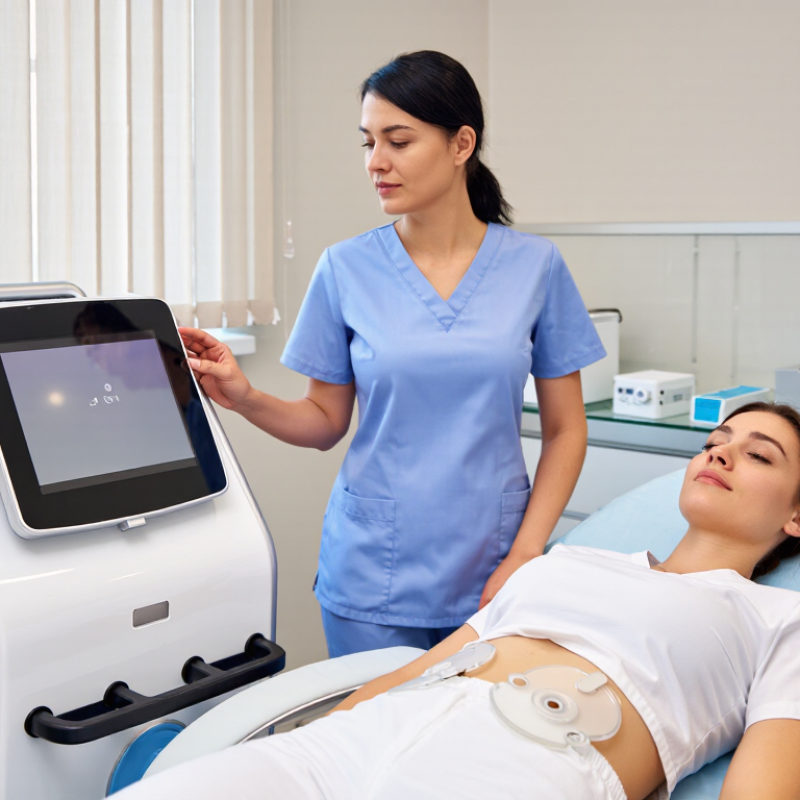
Slimming machines are designed to change the appearance of specific body areas, not to produce overall weight loss. Depending on the technology, a session may use cooling, heat, ultrasound, or electromagnetic energy. These methods can target fat cells, warm tissue, or stimulate muscle contractions. The effects are not interchangeable, and results depend on the device and the person receiving treatment.
Think of a treatment area such as the lower abdomen: changes may appear gradually, while the scale barely moves. Some procedures aim to reduce a small pocket of fat; others may temporarily make skin look firmer or muscles feel more engaged. Subtle changes are common. Results can vary with treatment settings, anatomy, and everyday habits, and no machine can guarantee a particular shape. It is easy to expect a dramatic transformation from a short appointment. That expectation deserves a reality check. A qualified provider should explain the device’s purpose, likely limits, and possible side effects before treatment. Ask what evidence supports the specific procedure, and whether it suits your health history. The body is not a fixed diagram; skin, fat, and muscle respond differently from person to person.
Typical result-persistence estimates vary by treatment and individual. These ranges are not guarantees or a fixed expiration date.
How to read this chart: Bars show approximate months, not a promise of lasting results. Fat reduction may persist when weight remains stable, while skin-tightening and muscle-conditioning effects can fade and may require maintenance. These treatments are not substitutes for weight loss; ask a qualified clinician about evidence, risks, and suitability.
How long results typically last depends on the device, treatment area, and changes in body weight. Results are not immediate. After fat-freezing, the body gradually clears treated fat cells over several weeks, so contour changes often become clearer within two to three months. A 2015 systematic review in Plastic and Reconstructive Surgery Global Open reported reductions in treated fat-layer thickness of about 10% to 28% across studies. Follow-up was generally limited to a few months, however. That is an important limitation: short-term measurements cannot prove how long results last for every person.
Some changes may persist when weight remains stable, because treated fat cells are reduced rather than serving as a guarantee against future weight gain. Remaining fat cells can enlarge. The U.S. Food and Drug Administration explains that non-invasive body-contouring procedures are not weight-loss treatments, and results may be temporary. For a realistic expectation, ask a qualified clinician which technology is being used and what follow-up evidence applies to it. Small differences matter. A waistline may look smoother in fitted clothing, while the scale barely changes. Research is still uneven, and I would not promise a precise number of years from the available data.
How long slimming-machine results last depends on what the treatment changes. Some devices target fat cells, while others mainly affect skin firmness or temporary fluid retention. These effects are not interchangeable. Ask the provider what outcome the specific technology is designed to produce, and when changes are usually visible. Results may take several weeks to appear, and one session may not be enough.
Your starting point matters. The treatment area, amount of tissue being addressed, and number of sessions can all influence the visible result. So can the practitioner’s training and the device settings used. A waist measurement taken after a salty meal may differ from one taken later in the week. Small details matter. Photos and measurements taken under similar conditions give a more useful comparison than memory alone.
Daily habits also shape how long results remain noticeable. Significant weight changes can alter the treated area, because untreated fat cells may still grow. Regular movement and steady eating habits may help maintain body composition, but they cannot guarantee a lasting contour. That distinction is easy to underestimate. Results vary between people, and research quality differs across technologies. Ask about expected duration, possible side effects, and whether the treatment suits your health history before proceeding.
How long slimming-machine results last depends less on the device name than on the treatment, your starting point, and weight stability. Cryolipolysis reduces some treated fat cells, so contour changes may persist when weight stays fairly steady. It does not prevent untreated fat cells from enlarging. Changes usually appear gradually over weeks or months, not overnight. Individual responses vary.
Radiofrequency treatments mainly target skin firmness and may need repeat sessions to maintain a subtle effect. Ultrasound-based treatments also aim to reduce localized fat, but results can be gradual and inconsistent.
Electromagnetic muscle stimulation may improve muscle tone; it is not a substitute for exercise or a dependable weight-loss method. Small differences matter. Research, treatment protocols, and individual suitability vary, so ask a qualified clinician what evidence applies to your case. A machine’s advertised timeline is not a personal guarantee.
Tips: Take photos in consistent lighting and measure the same area every few weeks. Avoid judging results after a few days. Keep your weight stable, and discuss medical conditions, medications, and realistic expectations before treatment. Some people see little change. That is worth considering.
Results from a slimming treatment are not permanent, and how long they last depends on the method, your body, and daily habits. Some treatments reduce the appearance of localized fat or improve skin firmness, but they cannot prevent future weight changes. Ask a qualified healthcare professional what your specific treatment can realistically achieve. A steady routine matters more than a quick fix.
Tips: Keep meals balanced, drink water regularly, and include movement you can maintain, such as a brisk walk after dinner. Follow the provider’s aftercare instructions, especially if you experience tenderness or swelling. Avoid adding extra sessions without professional guidance.
Track changes with occasional measurements or photos taken in similar lighting; daily checking can make normal fluctuations feel discouraging. If your weight or measurements change, review sleep, activity, and eating patterns before assuming the treatment has failed. Be honest with yourself: routines slip, and maintenance is not always neat. If you have new pain, persistent swelling, or another concerning symptom, contact your provider rather than trying to manage it alone.
| Question | Answer | How to Maintain Results |
|---|---|---|
| 1. Is there one standard duration for slimming-machine results? | No. Results vary by treatment type, treatment area, individual response, and changes in body weight. Non-surgical body contouring is not a weight-loss treatment, and results are not guaranteed. | Ask a qualified provider what outcome is realistic for the specific device and your health history. |
| 2. How long can results from cryolipolysis last? | Changes may become noticeable over several weeks, with results commonly assessed around two to four months after treatment. Treated fat cells are reduced, but remaining fat cells can enlarge if weight increases. | Keep body weight relatively stable and follow the provider’s aftercare instructions. |
| 3. How long do radiofrequency (RF) body-contouring results last? | Some people notice temporary skin-tightening changes after a course of treatments. The duration varies, and maintenance sessions may be recommended; long-term results are not assured. | Follow the recommended treatment schedule and maintain consistent skin-care and health habits. |
| 4. How long do ultrasound-cavitation results last? | Evidence and outcomes vary by device and person. Any visible change may be modest, and there is no reliable universal timeframe for how long it will last. | Discuss the device’s evidence, risks, and expected results with a qualified practitioner before treatment. |
| 5. How long do low-level laser body-contouring results last? | Reported changes are generally modest and may be temporary. The duration depends on the device, treatment protocol, and individual response. | Do not rely on treatment alone; maintain a stable weight and follow a balanced routine. |
| 6. How long do muscle-stimulation treatments such as HIFEM last? | Muscle-conditioning or contour changes can vary and may require repeat sessions. Evidence about long-term maintenance is still limited, and results should not be considered permanent. | Continue regular physical activity and ask the provider whether maintenance sessions are appropriate. |
| 7. When should results be evaluated? | Evaluation timing depends on the treatment. Some changes take weeks or months to appear, so checking too soon may not show the final outcome. | Use the provider’s suggested review date and compare measurements or photographs taken under consistent conditions. |
| 8. Can weight gain affect the results? | Yes. Weight gain can enlarge fat cells that remain in the body, including in treated areas, and may reduce the visible contouring effect. | Aim for sustainable weight stability rather than rapid or extreme dieting. |
| 9. Do slimming machines replace exercise or a healthy diet? | No. Non-surgical body-contouring devices are generally intended for localized contouring, not overall weight loss or treatment of obesity. | Use evidence-based nutrition, regular physical activity, sleep, and medical guidance to support overall health. |
| 10. What is the most reliable way to help maintain results? | There is no guaranteed method to preserve a cosmetic result indefinitely. Stable weight and realistic expectations can help, but results remain individual and treatment-specific. | Choose a qualified provider, follow aftercare advice, and seek medical guidance if you have concerns or a relevant health condition. |
It depends on the treatment, your body, and changes in weight. Results are not permanent.
Some changes appear over several weeks or months. A few days is usually too soon to judge.
No. Some target localized fat, while others focus on skin firmness or muscle tone. Their effects are different.
Sometimes, but not always. The treatment area, starting point, and method can affect how many sessions are recommended.
Yes. Untreated fat cells may enlarge with weight gain, changing the treated area’s appearance. That detail is easy to overlook.
Take photos in similar lighting and measure the same area every few weeks. A salty meal can shift a waist measurement.
Steady eating habits, regular movement, and stable weight may help. A walk after dinner is one practical option.
Ask about realistic results, likely timing, possible side effects, and whether the treatment suits your health history. Some people see little change.
Contact them about new pain, persistent swelling, or another concerning symptom. Don’t manage it alone.
Slimming machines are designed to change the appearance of targeted areas by addressing factors such as localized fat, skin firmness, or fluid retention. Their effects and the time they remain noticeable depend on the technology used, the treatment area, and an individual’s body and lifestyle. For anyone asking “how long do slimming machine results typically last,” there is no single timetable: some changes may be temporary, while others can be longer-lasting when supported by consistent habits.
Results can vary across approaches, including treatments that use heat, cooling, or other forms of energy, and more than one session may be recommended. The duration may also be influenced by factors such as age, weight changes, activity level, and the body’s natural response. Following qualified provider guidance, maintaining a stable weight, eating well, staying active, and attending any advised follow-up sessions can help preserve the appearance of results. These treatments are not a substitute for overall health and fitness practices.
