How Many Tattoo Removal Sessions Do You Really Need?

Time:2026-06-10 Author:Sophia
0%

Tattoos have become a popular form of self-expression, but many people later seek removal. The question of “how many sessions does tattoo removal actually take” often arises. Industry insights show that on average, it may require between 5 to 10 sessions for complete removal. However, this number can vary widely based on factors like tattoo size, ink type, and skin tone.

Professional reports indicate that darker inks tend to respond better to laser removal, while lighter colors may take more sessions. Additionally, a study from the American Society for Dermatologic Surgery indicates that 50% of patients may achieve satisfactory results after just 4 to 5 treatments. Yet, it's essential to approach tattoo removal with realistic expectations.

Many patients may experience skin reactions or uneven fading. Not every session guarantees perfect results, leading to an emotional burden for some individuals. Reflecting on these challenges is crucial when considering tattoo removal.
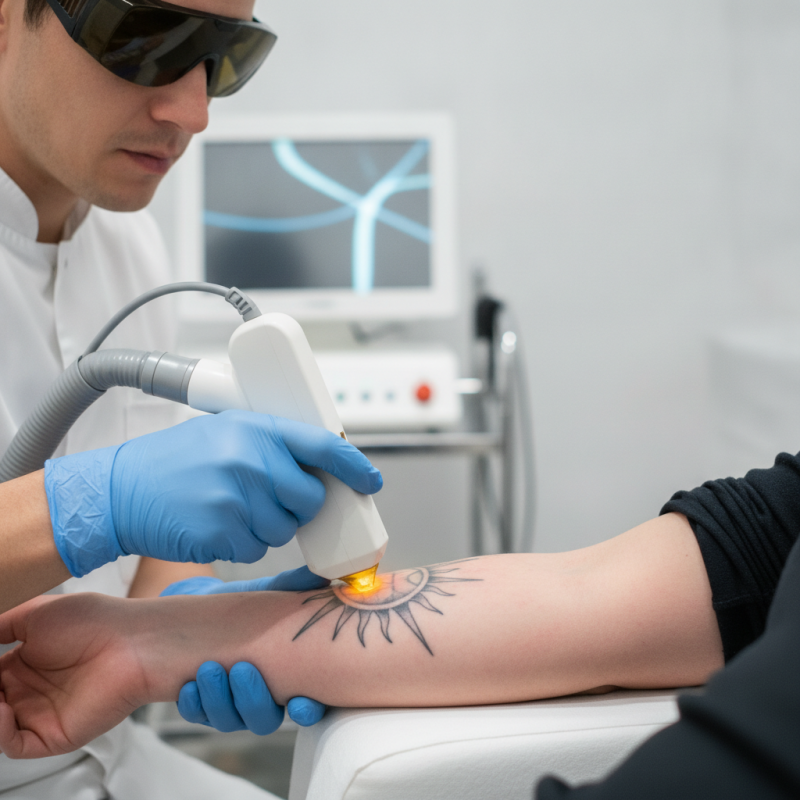
How Many Tattoo Removal Sessions Do You Really Need?

Factors Influencing Tattoo Removal Session Requirements

When considering tattoo removal, the number of sessions required varies significantly. Multiple factors influence this, including ink type, skin tone, and tattoo size. According to a study published by the Journal of Clinical and Aesthetic Dermatology, darker inks often require fewer sessions than lighter colors. For instance, black ink typically responds well to removal treatments, while colors like green or blue may demand additional sessions.

The average range is between 5 to 10 sessions for complete removal. However, larger and more complex tattoos can take up to 15 sessions or more. Skin types play a crucial role as well. People with lighter skin generally see better results than those with darker skin tones. A 2020 report from the American Society for Dermatologic Surgery stated that about 40% of tattooed individuals seek removal, reflecting the growing concerns about tattoo permanence.

Tips: Always consult a licensed professional. They can provide a tailored assessment based on your specific tattoo and skin type. Another tip is to manage your expectations; tattoo removal is a gradual process. Understanding this can ease frustration and help in achieving the desired results.

Understanding Different Tattoo Colors and Their Removal Difficulty

When it comes to tattoo removal, the color of your ink plays a crucial role. Some colors are easier to remove than others. Black ink, for instance, absorbs the laser light efficiently, making it the easiest to treat. In contrast, lighter colors like yellow and green take more sessions due to their delicate pigment structure.

Tattoos with multiple colors can complicate the removal process. Each hue responds differently to lasers. For example, red ink may fade quickly, while blue requires specialized wavelengths for effective removal. Being aware of this can set realistic expectations for the number of sessions needed.

Tips: Always consult a professional for an assessment. Their expertise can guide your removal choices. Regular follow-ups can also track progress and adjust treatments. Remember, patience is key in this journey. The process can take time, and results may vary. Be prepared for some colors to require more attention than others.

Types of Tattoo Removal Techniques and Their Effectiveness

When considering tattoo removal, it’s essential to understand the various techniques available. Laser removal is the most common method. Studies show that it can remove up to 95% of tattoo ink, depending on factors like ink color and skin type. This technique involves multiple sessions, typically ranging from 5 to 10, spaced several weeks apart. In some cases, the process can be lengthy and may require additional sessions for full removal, leading to frustration for patients.

Another option is surgical excision, which involves cutting out the tattooed skin. This method is usually effective in one session, but it leaves scars. Research indicates that this is more suitable for small tattoos. Chemical peels are also available, though they tend to be less effective. These methods can sometimes lead to skin damage. An overall understanding of the pros and cons is vital for individuals considering tattoo removal.

Patients often struggle with emotional aspects during their removal journey. It's not uncommon for individuals to feel regret after each session, especially if they experience prolonged redness or discomfort. Even with effective techniques, some tattoos may not disappear entirely. Each method has its benefits and challenges that warrant careful consideration. Reflecting on personal motivations for removal can help guide the decision-making process.

Typical Duration and Number of Sessions for Successful Removal

When considering tattoo removal, the number of sessions required varies greatly among individuals. Typically, most people need anywhere from 5 to 15 sessions for satisfactory results. Factors such as ink colors, skin type, and tattoo size heavily influence outcomes. Darker inks, like black and blue, tend to respond better than lighter shades. Additionally, deeper tattoos may require more attention than superficial ones.

During each appointment, the laser breaks down ink particles, which your body gradually eliminates. A session usually lasts from 20 minutes to over an hour, depending on the tattoo's coverage area. It's essential to allow proper healing time between sessions, usually 6 to 8 weeks. This interval gives your skin time to recover and the immune system to work on the ink removal.

**Tip:** Keep the area well-hydrated before and after each session. This will support skin health and enhance the healing process.

**Tip:** Document your progress with photos. Over time, you’ll be able to see the changes clearer.

Tattoo removal is a process that requires patience. Adjust your expectations accordingly. Regular consultations with a qualified professional help tailor the removal strategy to your needs. Remember, everyone's journey is unique.

How Many Tattoo Removal Sessions Do You Really Need?

Tattoo Size Average Sessions Needed Session Duration Healing Time Between Sessions
Small (1-2 inches) 2-4 20-30 minutes 4-6 weeks
Medium (3-5 inches) 4-6 30-45 minutes 6-8 weeks
Large (6 inches and above) 6-10 45-60 minutes 8-10 weeks
Color Treatment (All Sizes) Additional 1-2 Varies 6-10 weeks

Aftercare Tips to Enhance Tattoo Removal Results

Tattoo removal can be a lengthy process. Many people wonder how many sessions are necessary. However, proper aftercare can significantly improve results. Taking care of your skin post-session is essential for effective healing and fading.

One crucial tip is to keep the treated area clean. Gently wash it with mild soap and water. Avoid tight clothing that may irritate the skin. Moisturize regularly with a gentle, unscented lotion. This can help maintain skin hydration and promote healing. Remember, every person's skin reacts differently, so adjust your routine as necessary.

Another important aspect is avoiding sun exposure. Direct sunlight can hinder the healing process and may affect tattoo removal results. Use a broad-spectrum sunscreen with a high SPF. Reapply it if you spend extended periods outdoors. It’s okay to spend time outside, but your skin needs protection. Listening to your body and giving it time to heal is vital. Be patient and stay committed.

FAQS

: How many sessions does tattoo removal usually require?

: The average range is between 5 to 10 sessions for complete removal.

What factors influence the number of tattoo removal sessions?

Factors include ink type, skin tone, and tattoo size. Darker inks often require fewer sessions.

Do large tattoos take longer to remove?

Yes, larger and more complex tattoos can take up to 15 sessions or more.

How does skin tone affect tattoo removal?

People with lighter skin generally see better results than those with darker skin tones.

What can I do to improve tattoo removal results?

Proper aftercare is essential. Keep the treated area clean and moisturize regularly.

Is it necessary to avoid sun exposure after tattoo removal?

Yes, direct sunlight can hinder healing and affect removal results. Use sunscreen.

Can I wear tight clothing after a tattoo removal session?

It’s best to avoid tight clothing to prevent irritation on the treated skin.

How should I manage my expectations during the tattoo removal process?

Understand that tattoo removal is gradual. This can help ease frustration and promote patience.

What type of lotion should I use post-session?

Use a gentle, unscented lotion to maintain skin hydration and promote healing.

Should I consult a professional before starting tattoo removal?

Yes, always consult a licensed professional for a tailored assessment based on your needs.

Conclusion

When considering the question of "how many sessions does tattoo removal actually take," several factors come into play that can influence the overall number of sessions required for effective removal. These include the size and age of the tattoo, the type of ink used, and the individual's skin type. Additionally, understanding different tattoo colors and their removal difficulty is crucial, as certain colors, like green and blue, may require more sessions than darker shades.

Tattoo removal techniques vary in effectiveness and include methods such as laser removal, surgical excision, and dermabrasion. Typically, it may take anywhere from a few sessions to over ten, depending on the complexity of the tattoo. To optimize the results of each session, aftercare is essential, which involves following specific practices to promote skin healing and reduce complications. Overall, achieving complete tattoo removal is a personalized journey that demands patience and commitment.

Sophia

Sophia

Sophia is a dedicated marketing professional with an exceptional depth of knowledge about her company's products and services. With a keen understanding of market trends and customer needs, she crafts insightful blog posts that not only inform but also engage readers, enriching the company’s online......