Pressotherapy has moved from specialist clinics into wellness studios, physiotherapy practices, and home-care routines. The market is expanding, but popularity is not proof of equal clinical value. The Global Wellness Institute’s 2024 Global Wellness Economy Monitor valued the wellness economy at $6.3 trillion in 2023. That figure shows demand, not guaranteed treatment effectiveness.
For lymphatic drainage, pressotherapy usually means intermittent pneumatic compression. Air-filled chambers inflate around the legs, arms, or abdomen, creating a gentle wave of pressure. The 2023 Consensus Document of the International Society of Lymphology recognizes intermittent pneumatic compression as a possible component of lymphedema care. It also stresses professional assessment, appropriate pressure, and combination treatment when needed. This matters because swelling can reflect lymphedema, venous disease, infection, heart problems, or other conditions.
So, how often should you do pressotherapy for lymphatic drainage? The honest answer depends on your diagnosis, device, pressure setting, treatment area, and clinician’s plan. Some supervised programs use sessions several times weekly. Wellness users may need less frequent appointments. More is not always better. Redness, pain, numbness, dizziness, or increased swelling deserves attention. People with suspected blood clots, uncontrolled heart failure, severe arterial disease, or active infection should seek medical advice before treatment.
This guide examines ten pressotherapy types, from sequential leg compression to multi-chamber systems and portable boots. It compares practical uses, comfort, pressure control, and evidence. I will not pretend every device has equally strong research. Some claims remain ahead of the data. That gap deserves careful reflection.
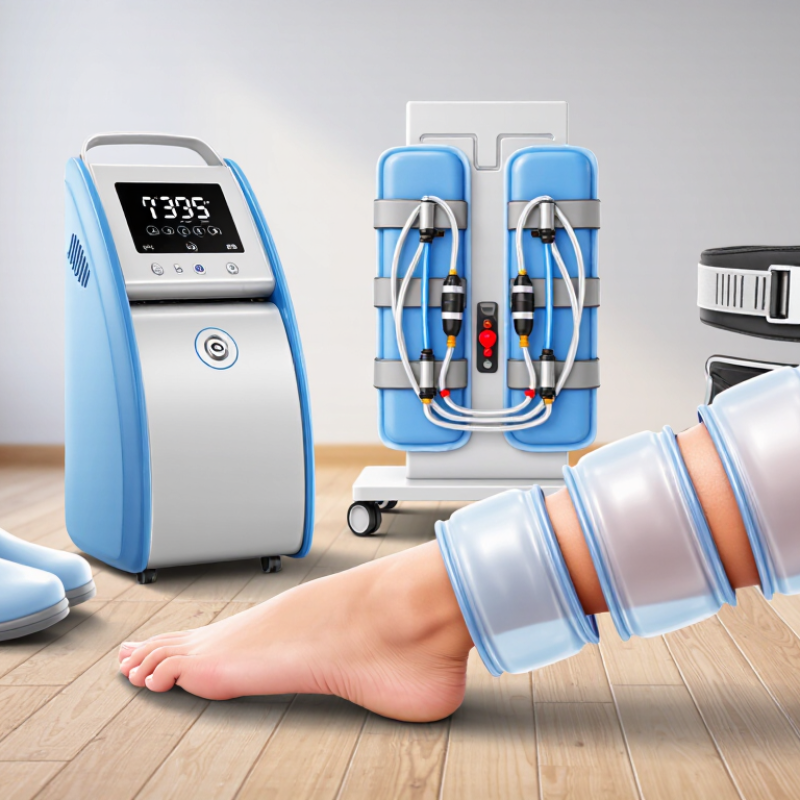
Pressotherapy for lymphatic drainage uses an inflatable sleeve to apply controlled, intermittent pressure to an arm, leg, or trunk. Chambers usually inflate in sequence, creating a gentle wave toward the body’s central lymphatic pathways. Common approaches include sequential, gradient, multi-chamber, and low-pressure programs. The device type matters, but clinical assessment matters more.
The International Society of Lymphology places pneumatic compression within complete decongestive therapy, not as a stand-alone cure. A trained clinician may combine it with compression garments, movement, skin care, and manual techniques. Treatment frequency varies widely. Some patients use sessions several times weekly, while others need shorter, monitored programs. Swelling level, tissue firmness, skin condition, medical history, and treatment response should guide the plan. More pressure is not automatically better. Evidence is useful, but it is not perfectly uniform.
Tips: Begin with a professional assessment, especially when swelling is new or one-sided. Keep the skin clean and inspect it after each session. Stop if you notice pain, numbness, unusual redness, dizziness, or worsening swelling. A pressure log can help: record session length, limb measurements, comfort, and changes in movement. I would not treat a home schedule as permanent; bodies change, and the plan may need revision. Unexplained swelling, suspected infection, severe circulation problems, or certain heart conditions require medical advice before use.
Typical weekly use patterns for intermittent pneumatic compression (IPC) formats. The ranges shown are common clinical planning ranges, not fixed prescriptions. The International Society of Lymphology (ISL) describes IPC as an adjunct to complete decongestive therapy, with frequency individualized according to diagnosis, tissue response, tolerance, and medical supervision.
Intensive decongestion is often performed daily or near-daily for a limited period, while maintenance use is commonly less frequent. Sequential gradient systems are generally preferred over simple non-sequential compression when IPC is clinically appropriate. Frequency should be reduced or stopped if pain, numbness, skin changes, increased swelling, or other adverse symptoms occur.
Clinical context: International Society of Lymphology consensus terminology and guidance on intermittent pneumatic compression. These ranges are educational and do not replace assessment by a qualified clinician.
Pressotherapy uses controlled air pressure to support fluid movement in the limbs.
The most common type is sequential compression, which inflates chambers from the ankle upward. Multichamber systems offer finer control over pressure zones. They can feel gentler and more precise. Gradient systems apply stronger pressure distally and reduce it toward the body. Intermittent pneumatic systems alternate inflation and rest periods. This rhythm may suit people who dislike constant compression.
Specialized designs serve different body areas and treatment goals. Foot-and-calf systems focus on lower-leg heaviness. Arm-and-shoulder systems support drainage after prolonged sitting or selected clinical procedures. Abdominal systems require careful fitting and should not feel restrictive. Pelvic-and-hip systems cover broader central areas, but evidence and comfort vary.
Programmable systems let a trained practitioner adjust timing, pressure, and chamber order. Recovery-focused systems often use softer cycles for post-exercise comfort. The label can be misleading. “Stronger” is not automatically better.
How often should treatment be used?
Many people begin with two or three supervised sessions weekly, often lasting 20 to 45 minutes. A qualified clinician should set the schedule after reviewing circulation, skin condition, swelling patterns, and medical history. Some users need less frequent maintenance. Others need a different approach entirely.
Stop when pain, numbness, unusual coldness, or skin discoloration appears. Pressotherapy should not replace medical evaluation for sudden or one-sided swelling.
In practice, pressure settings are often adjusted after the first session because the initial plan may not feel right. That small correction matters.
Pressotherapy uses inflatable chambers to apply controlled, intermittent compression. Common formats include leg boots, arm sleeves, abdominal belts, hip cuffs, full-body garments, unilateral sleeves, bilateral boots, sequential chambers, static chambers, and custom post-treatment systems. These types are not medically identical. Chamber design, timing, and pressure can change the drainage response.
The 20–30 mmHg range usually provides gentle stimulation for sensitive users or early, supervised sessions. It may suit mild heaviness, sedentary swelling, or maintenance after manual lymphatic techniques.
Pressures around 30–45 mmHg offer firmer compression and are often considered for uncomplicated limb swelling.
The 45–60 mmHg range requires greater caution. It may support selected clinical applications, but higher pressure is not automatically more effective. Discomfort, numbness, skin color changes, or increased swelling are warning signs.
Frequency depends on the person, diagnosis, and treatment goal. Some clinical programs use one to three sessions weekly, while short-term plans may differ.
A trained healthcare professional should screen for vascular disease, active infection, unexplained swelling, heart problems, and possible blood clots before treatment.
Keep records of pressure, session length, limb measurements, and skin response. That practical detail matters.
Research and clinical protocols do not always agree, and home use can encourage overconfidence. A comfortable response is useful, but it does not prove that lymphatic flow has improved.
Top 10 Pressotherapy Types for Lymphatic Drainage: How Often?
Pressotherapy schedules should match the patient’s swelling, skin condition, and medical history. In clinical practice, sequential pneumatic compression may be used two to five times weekly. Sessions often last 30 to 60 minutes. However, more pressure is not always better. A trained therapist should check skin color, pain, numbness, and limb measurements before adjusting treatment.
A five-day CDT practice may combine manual lymph drainage, compression garments, movement, and careful skin hygiene. Pressotherapy can support this plan, but it should not replace professional assessment or prescribed compression. Day one may focus on baseline measurements and gentle treatment. Later sessions can include light exercise, bandaging, and reassessment. The plan may need changes. Swelling does not behave perfectly.
Tips: Keep a daily swelling log, including evening tightness and garment comfort. Drink normally, walk gently, and inspect the skin after each session. Stop and seek medical advice for sudden pain, breathlessness, new redness, or unusual warmth. People with suspected infection, acute blood clots, serious arterial disease, or uncontrolled heart problems need medical clearance before treatment. Home use should follow a clinician’s instructions, because pressure settings and treatment frequency vary considerably.
| No. | Pressotherapy Type or Protocol | Typical Clinical Use | Typical Session Parameters | Common Frequency | Clinical Notes |
|---|---|---|---|---|---|
| 1 | Sequential pneumatic compression | Limb swelling associated with chronic lymphedema or venous edema | Multi-chamber sleeve; distal chambers inflate before proximal chambers; commonly 30–60 minutes | Often 1 session daily during intensive care, then 2–5 sessions weekly for maintenance when prescribed | Pressure and chamber sequence should be selected by a qualified clinician and combined with compression and skin care where appropriate. |
| 2 | Gradient sequential compression | Edema requiring a higher pressure distally and a lower pressure proximally | Graduated pressure pattern; commonly 30–60 minutes per treatment | Typically daily or several times per week during a treatment course | The gradient should support proximal fluid movement without causing pain, numbness, skin discoloration, or increased swelling. |
| 3 | Non-sequential pneumatic compression | General temporary compression when a simple single-chamber system is clinically suitable | All chambers inflate together; treatment duration is commonly 20–60 minutes | Frequency varies from several times weekly to daily under supervision | It may be less suitable for complex lymphedema because simultaneous inflation does not reproduce a distal-to-proximal sequence. |
| 4 | Lower-leg pneumatic compression | Swelling limited mainly to the foot, ankle, or calf | Foot-and-calf garment; commonly 30–60 minutes | Often once daily during active management, adjusted to response | The garment must fit correctly; a short garment may be inappropriate if swelling extends into the knee or thigh. |
| 5 | Full-leg pneumatic compression | Swelling affecting the foot, leg, and thigh | Full-leg multi-chamber garment; commonly 30–60 minutes | Daily or several times weekly during an intensive phase, followed by individualized maintenance | Proximal drainage pathways should be assessed before treating the limb, particularly when edema reaches the groin or pelvis. |
| 6 | Arm-and-hand pneumatic compression | Upper-extremity lymphedema, including hand and forearm swelling | Hand, arm, or arm-and-shoulder garment; commonly 30–60 minutes | Often daily during active treatment, then reduced according to clinical response | Hand involvement requires an appropriately designed garment; shoulder, chest, and trunk symptoms should also be reviewed. |
| 7 | Arm-and-trunk pneumatic compression | Upper-limb edema with chest-wall, breast, or trunk involvement | Arm sleeve with trunk or shoulder components; commonly 30–60 minutes | Usually prescribed several times weekly or daily during an intensive course | Trunk compression requires careful fitting and monitoring for discomfort, restricted breathing, or fluid shifting toward another region. |
| 8 | Gentle low-pressure lymphatic protocol | Sensitive tissue, mild edema, or early treatment under professional guidance | Low pressure with a gradual sequence; commonly 20–40 minutes | Often 2–5 times weekly, depending on tolerance and the underlying condition | Lower pressure is not automatically safer; arterial status, sensation, skin condition, and cardiac health must be considered. |
| 9 | Moderate-pressure decongestive protocol | Clinician-supervised reduction of measurable limb volume | Moderate, symptom-limited pressure; commonly 30–60 minutes | Commonly once daily or on alternating days during an active course | Treatment should be reassessed using limb measurements, symptoms, skin findings, and functional response rather than frequency alone. |
| 10 | Maintenance pneumatic compression | Long-term control after swelling has stabilized | Individualized garment and pressure; commonly 20–60 minutes | Often 2–5 times weekly, or as directed by the treating clinician | Maintenance compression does not replace daily skin care, prescribed garments, movement, or follow-up assessment. |
| Day | Clinical Focus | Pressotherapy Example | Additional CDT Components |
|---|---|---|---|
| Day 1 | Assessment and baseline measurements | 20–30 minutes of gentle sequential compression if clinically appropriate | Skin inspection, medical screening, breathing and movement instruction, and therapist-directed manual lymph drainage |
| Day 2 | Early fluid-volume reduction | 30–45 minutes at a prescribed, comfortable pressure | Manual lymph drainage, short-stretch compression bandaging or a prescribed garment, exercise, and skin care |
| Day 3 | Treatment response review | 30–60 minutes of sequential compression if there is no adverse response | Recheck limb measurements, adjust compression, continue movement and therapist-directed drainage |
| Day 4 | Consolidation of volume control | 30–60 minutes, using the established individualized protocol | Compression garment or bandaging, active range-of-motion exercises, walking as tolerated, and skin care |
| Day 5 | Transition to self-management | 20–60 minutes only if prescribed and well tolerated | Final measurements, garment-use education, home exercise plan, skin-care routine, and follow-up schedule |
Top 10 Pressotherapy Types for Lymphatic Drainage: How Often?
Pressotherapy can support lymphatic drainage, but treatment frequency must follow clinical screening. The 2023 International Society of Lymphology consensus describes intermittent pneumatic compression as a possible component of complete decongestive therapy. It should not replace compression garments, skin care, movement, or professional assessment. Common systems include sequential, multi-chamber, gradient, and adjustable-pressure devices. The machine type matters less than safe pressure and correct fitting.
Screen carefully before the first session. Active cellulitis, suspected deep-vein thrombosis, severe peripheral arterial disease, and decompensated heart failure require medical review or avoidance. Pregnancy, uncontrolled hypertension, fragile skin, and recent surgery also need individualized clearance. Stop treatment if pain, numbness, breathlessness, unusual swelling, or skin discoloration appears. Too much pressure is not better.
Measure outcomes, not impressions. Record limb volume at baseline, then repeat measurements under similar conditions. Perometry, water displacement, and standardized circumference points can track change. Calculate percentage change from the initial volume. NICE guidance supports objective monitoring for lymphoedema, while the ISL consensus warns that evidence for pneumatic compression remains variable. Some reports show reduced swelling and heaviness, but study methods differ. I would reassess after several sessions, not promise a fixed schedule. That uncertainty deserves honesty.
Pressotherapy uses inflatable chambers to apply controlled, intermittent pressure. It may support lymphatic drainage and reduce limb heaviness. It should not replace movement, skin care, compression garments, or professional assessment.
Pressures from 20–30 mmHg usually provide gentle stimulation. They may suit sensitive users, early supervised sessions, or mild swelling. Start carefully.
This range provides firmer compression. It may be considered for uncomplicated limb swelling after proper screening. Correct fitting still matters.
No. Higher pressure is not automatically better. Pressures from 45–60 mmHg require greater caution and clinical judgment. Pain, numbness, skin discoloration, or increased swelling requires stopping treatment.
Frequency depends on the diagnosis, treatment goal, and individual response. Some supervised programs use one to three sessions weekly. There is no universal schedule. I would not promise a fixed routine.
Screening should consider vascular disease, active infection, unexplained swelling, heart problems, and possible blood clots. Pregnancy, uncontrolled hypertension, fragile skin, and recent surgery need individualized clearance. Medical review may be necessary.
Record limb volume before treatment and repeat measurements under similar conditions. Standardized circumference points, water displacement, or optical measurement can track changes. Keep pressure, session length, and skin responses in the same record.
No. Comfort is useful, but it does not prove improved lymphatic flow. Some reports describe reduced swelling and heaviness. Research methods vary. The evidence remains uneven.
Pressotherapy for lymphatic drainage uses controlled air compression to support fluid movement in swollen limbs, especially when considered within an individualized lymphedema management plan. Common options include sequential and multichamber systems, as well as specialized garments or programs designed to apply pressure progressively from one area to another. Typical settings may range from 20 to 60 mmHg, but the appropriate level depends on symptoms, tissue condition, treatment goals, and clinical guidance. Outcomes are often assessed through limb-volume changes, comfort, mobility, and skin condition.
How often should you do pressotherapy for lymphatic drainage? Frequency should be determined after a health assessment and may range from several sessions per week to a structured short-term schedule, such as five consecutive days within complete decongestive therapy. Treatment should not replace compression, exercise, skin care, or professional monitoring. Screening is essential for possible contraindications, including certain circulatory, cardiac, infectious, or unexplained swelling conditions. Stop treatment and seek medical advice if pain, numbness, skin changes, or unusual swelling develops.
