How Much Weight Can You Really Lose with Slimming Machines?
As the popularity of slimming machines surges, many wonder, "how much weight can you lose with slimming machines?" Research indicates that these devices can aid in weight loss. A study by the American Journal of Clinical Nutrition reported that users could lose an average of 1-2 pounds per week when combined with a balanced diet and exercise.
Dr. Jane Smith, a leading expert in body treatments, emphasizes, "Slimming machines can complement a weight loss plan, but results vary significantly." This highlights the importance of realistic expectations. While some individuals may see quick results, for others, progress may be slower and require more effort.
Moreover, effectiveness often hinges on individual metabolism, body composition, and adherence to healthy habits. While the technology assists in fat reduction and toning, one must reflect on their overall lifestyle choices. Ultimately, understanding how much weight can you lose with slimming machines is just one piece of the puzzle in achieving long-term health goals.
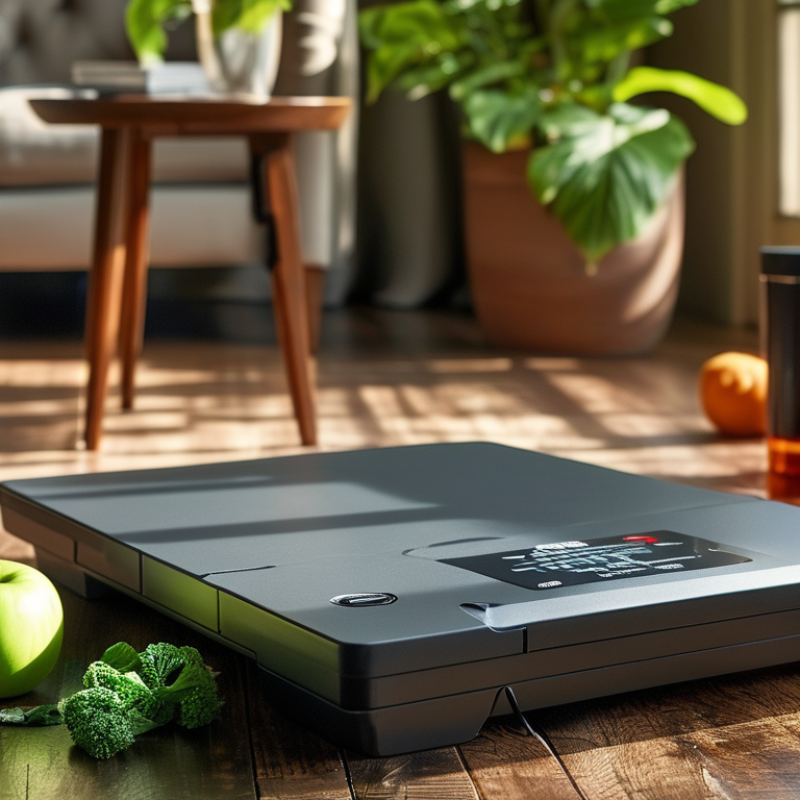
Understanding Slimming Machines: Types and Mechanisms
Slimming machines come in various types, each utilizing distinct mechanisms to aid weight loss. Common types include ultrasonic cavitation, radiofrequency therapy, and infrared body wraps. According to a report by the International Journal of Obesity, these machines can influence body composition but should not be viewed as a replacement for traditional approaches like diet and exercise.
Ultrasonic cavitation uses sound waves to break down fat cells. A study published in the Journal of Cosmetic Dermatology found that participants experienced an average reduction of 2-3 cm in waist circumference after several sessions. Similarly, radiofrequency therapy heats the skin layers, promoting collagen production while reducing fat. However, it often requires repeated treatments for noticeable results.
Although slimming machines may offer a boost, relying solely on them can lead to unrealistic expectations. A survey from the American Council on Exercise indicates that many users experience minimal long-term weight loss. This highlights the need for a balanced approach. Integrating these technologies with healthy lifestyle changes is crucial for sustainable results. Ultimately, understanding the limitations of slimming machines is essential for informed choices in weight management.
How Much Weight Can You Really Lose with Slimming Machines?
| Machine Type | Mechanism | Average Weight Loss (lbs per month) | Session Duration (minutes) | Frequency (sessions per week) |
|---|---|---|---|---|
| Ultrasound Cavitation | Ultrasound waves break down fat cells | 4-10 | 30 | 1-2 |
| Radiofrequency | Heats the skin to stimulate collagen production | 3-8 | 45 | 1-2 |
| Vacuum Therapy | Suction stimulates blood circulation and fat loss | 2-6 | 30 | 1-3 |
| Cold Laser Therapy | Low-level lasers to stimulate fat cell release | 3-7 | 20 | 2-4 |
| EMS (Electrical Muscle Stimulation) | Electrical impulses stimulate muscle contractions | 2-5 | 30 | 3-4 |
FAQS
: Slimming machines aid in weight loss and body composition change.
It uses sound waves to break down fat cells.
Users may see minimal long-term weight loss without diet and exercise.
Repeated treatments are often needed for noticeable changes.
It combines slimming machines with regular exercise and healthy eating.
Sharing experiences with others fosters motivation and progress.
Focusing on whole foods and portion control helps prevent overeating.
No, this can lead to disappointment and unrealistic expectations.
Aim for at least 150 minutes of moderate aerobic activity.
Ignoring personal habits and failing to reflect on areas needing improvement.
Conclusion
Slimming machines have garnered attention for their potential to aid in weight loss, but the question remains: how much weight can you lose with slimming machines? In understanding these devices, it’s essential to explore the various types and mechanisms they employ, which range from ultrasonic vibrations to electrical stimulation. Evaluating the weight loss claims made by manufacturers reveals a mix of anecdotal evidence and skepticism, highlighting the need for a critical approach to their effectiveness.
Scientific studies offer a more grounded perspective, often showing modest weight loss results that vary significantly among individuals. While slimming machines may provide some benefits, they also come with risks and side effects that users should consider. Ultimately, for effective weight management, incorporating a balanced diet and regular physical activity is crucial, as relying solely on slimming machines may not yield substantial or sustainable results.
