7 Tips on What to Expect During a VelaShape Session?

Time:2026-10-07 Author:Mason
0%

VelaShape sessions are often marketed as quick, comfortable body-contouring appointments. Real experiences can vary. This guide explains what to expect during a velashaping treatment session, from the consultation room to the final aftercare advice.

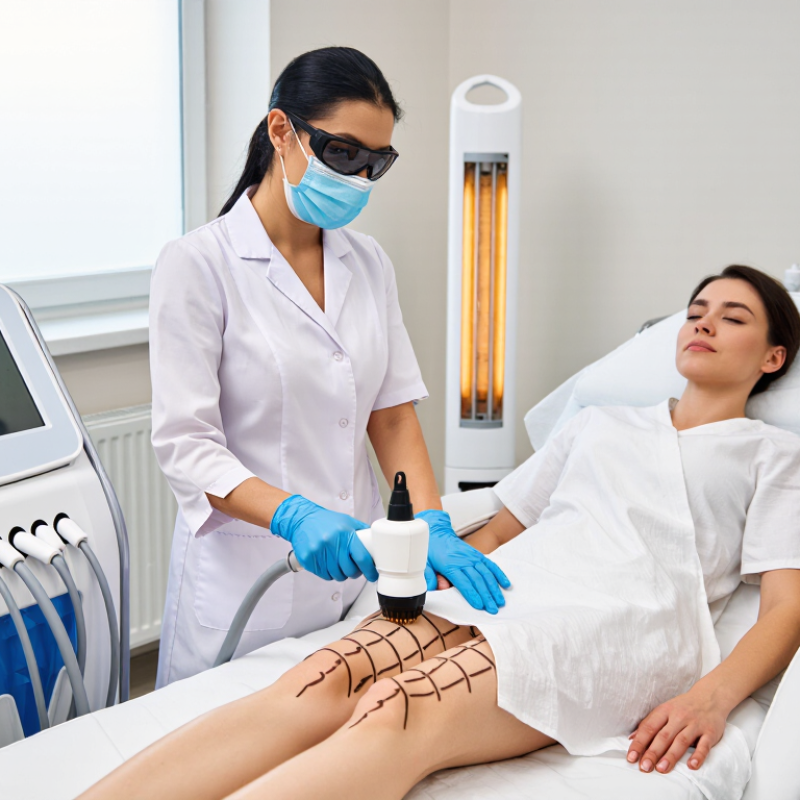
A qualified practitioner should review your health history, treatment goals, skin condition, and relevant contraindications before beginning. They may explain how the device combines vacuum massage, infrared light, radiofrequency energy, or mechanical rollers, depending on the model used. During treatment, you might feel firm suction, rolling pressure, and gentle warmth across the selected area. Some clients notice temporary redness or sensitivity afterward. The room may sound surprisingly busy, with the device making a steady mechanical hum.

The appointment usually involves cleansing the skin, marking the area, and applying the handpiece in repeated passes. Sessions commonly last about 30 to 60 minutes, though timing depends on the body area and clinic protocol. You can speak up if the pressure feels uncomfortable. Comfort matters. Results are not always dramatic, and that deserves honest attention. VelaShape is generally intended to improve the appearance of cellulite or localized contours, not replace weight management or medical treatment. A responsible provider will avoid promising permanent results and will explain possible limitations, maintenance visits, and costs clearly. Before booking, verify the practitioner’s training, device authorization, and aftercare instructions. Small details can affect the experience. Even an experienced clinic may need to adjust settings for your skin and comfort.
7 Tips on What to Expect During a VelaShape Session?

What VelaShape Is and What the Session Is Designed to Do

This body-contouring session combines heat-based energy, gentle suction, and mechanical massage. It is designed to warm targeted tissue and support a smoother-looking skin surface. It is not a weight-loss treatment. Results depend on skin quality, body composition, and the treatment area.

During the appointment, a trained professional should review your health history, goals, and sensitive areas. The device may feel warm, rhythmic, or slightly tight as it moves across the skin. Most people describe the sensation as manageable, but comfort levels differ. Speak up if the heat feels excessive.

The skin may look pink afterward, like it has been exposed to mild sun. This usually fades, although individual reactions vary. A session often takes less than an hour, depending on the area and treatment plan. You may return to normal activities, but follow the provider’s advice about hydration and skin care. Avoid expecting an instant transformation. The first visit can seem underwhelming, and that is worth acknowledging. Visible changes may require several sessions and realistic follow-up photographs. A qualified provider should also explain possible side effects, limitations, and when treatment should be postponed. Reduced firmness or uneven texture may improve, but no procedure guarantees the same outcome for everyone.

How to Prepare for Your VelaShape Appointment

7 Tips on What to Expect During a VelaShape Session

How to Prepare for Your VelaShape Appointment

Start with a qualified consultation, not a rushed booking. Ask whether your goals involve cellulite, skin laxity, or temporary fluid reduction. The American Academy of Dermatology reports that cellulite affects 80–90% of women after puberty, so realistic expectations matter. Share your medical history, allergies, medications, pregnancy status, and any implanted electronic devices. Postpone treatment over irritated skin, open wounds, or active infection. This simple step is often underestimated.

Arrive with clean, product-free skin. Avoid heavy lotions, oils, and self-tanner on the treatment area. Wear loose clothing, because mild redness or tenderness may follow. During the appointment, expect a handheld applicator, warmth, suction, and a rhythmic massage-like sensation. Tell the provider immediately if the heat becomes sharp or uncomfortable. RF and light-based devices can cause burns or pigment changes when used incorrectly, according to FDA safety information. Drink water normally, but do not treat hydration as a miracle shortcut.

Ask how many sessions are recommended, what results are measurable, and when photographs will be taken. The 2023 ISAPS Global Survey recorded more than 19 million nonsurgical aesthetic procedures worldwide, yet popularity does not guarantee identical outcomes. Results vary with tissue structure, skin quality, and lifestyle. Clarify maintenance needs and the full cost before consenting. I would also ask about the provider’s training and emergency protocol. That question may feel awkward. It is still worthwhile.

What Happens During a Typical VelaShape Session

A typical VelaShape session begins with a short consultation. A qualified practitioner reviews your goals, medical history, skin sensitivity, and treatment area. They should explain possible benefits and limitations clearly. You may also be asked about pregnancy, implanted devices, or conditions affecting circulation. Honest answers matter.

The treatment area is cleaned and marked. Protective measures are used when appropriate. The applicator then combines controlled heat, suction, and massage-like movement. Most clients feel warmth, pressure, and rhythmic pulling. It should feel firm, not painful. Speak up if the suction feels too intense.

A session often lasts 30 to 60 minutes, depending on the area. The skin may look pink afterward. That usually fades within a few hours.

You can normally return to daily activities immediately. Drink water and follow the clinic’s aftercare instructions. Avoid judging results in the mirror that evening. Temporary swelling can change the appearance. Improvement usually requires several sessions and varies between people. It does not replace healthy habits or treat every cause of cellulite. Many visitors expect a dramatic transformation after one appointment. That expectation needs reconsidering. A careful consultation and realistic progress photos provide better evidence. Stop treatment and contact the provider if unusual pain, blistering, or persistent swelling develops.

Seven Sensations and Experiences You May Notice

During a VelaShape session, expect several ordinary sensations rather than dramatic discomfort. Tip one: You may feel gentle suction as the applicator moves across your skin. Tip two: Warmth often follows, similar to a smooth massage with a heated stone. Tip three: Mild pressure can appear around the abdomen, thighs, or buttocks. It should remain tolerable.

Tip four: Some areas may feel rhythmic rolling or vibration. Tip five: The skin can become temporarily pink, especially after repeated passes. Tip six: You may notice a brief tingling sensation when the energy reaches deeper tissue. Tip seven: The treated area may feel warm for several minutes afterward. These sensations usually fade quickly, but individual responses vary.

A trained professional should adjust intensity according to your comfort, skin condition, and treatment area. Speak up if the heat feels sharp, excessive, or unusually painful. Pain is not proof of better results. Your skin may look slightly flushed, though this is not guaranteed. I once underestimated how differently people describe warmth; one person calls it cozy, another calls it intense. That difference matters. Drink water, follow the clinic’s aftercare guidance, and report lasting swelling, blistering, or severe discomfort promptly. Expect a process, not an instant transformation.

7 Tips on What to Expect During a VelaShape Session? - Seven Sensations and Experiences You May Notice

No. Sensation or Experience What You May Notice Typical Timing Helpful Tip
1 Gentle warming The treatment area may gradually feel warm as energy is delivered to the skin and underlying tissue. It should feel comfortably heated rather than painfully hot. Usually begins within the first few minutes and continues during treatment. Tell the practitioner immediately if the heat becomes uncomfortable or feels sharp.
2 Rhythmic suction A vacuum-style applicator may gently lift and draw the skin into the treatment head, creating a pulling or kneading sensation. Felt intermittently as the applicator moves across the area. The suction level can generally be adjusted for comfort and skin sensitivity.
3 Mechanical massage or rolling Moving rollers may produce a massage-like feeling while the practitioner works over the selected body area. Occurs throughout the active passes of the applicator. Relaxing the treated muscles can make the rolling sensation easier to tolerate.
4 Mild pressure or pulling Some areas may feel firmer pressure, particularly where the skin is more sensitive or where the applicator changes direction. Temporary and usually changes as the applicator moves. Pressure should remain tolerable; report pinching, strong pain, or unusual discomfort.
5 Mild tingling or vibration You may notice light tingling, vibration, or a pulsing feeling from the combined energy and mechanical action. Generally limited to the time the applicator is in contact with the skin. Avoid applying numbing products unless specifically approved by a qualified practitioner.
6 Temporary redness or warmth afterward The treated skin can look mildly pink or feel warm immediately after the session. This is a common short-term response. Often fades within a few hours, although individual responses vary. Use gentle skin care and avoid excessive heat or vigorous rubbing until the skin feels normal.
7 Short, non-surgical appointment A practitioner normally cleans and prepares the area, performs repeated passes, and checks comfort during the session. No incision or anesthesia is typically required. Many sessions take approximately 30–60 minutes, depending on the treatment area and plan. Results and the number of sessions vary; follow the practitioner’s individualized treatment and safety guidance.

Individual sensations and temporary skin reactions can vary. A qualified practitioner should review medical history, skin condition, and treatment suitability before the session.

Aftercare Steps and Signs That Require Professional Advice

After a non-invasive body-contouring session, mild warmth, redness, or tenderness can occur. These effects often settle within several hours, but every person responds differently. The 2023 ISAPS Global Survey recorded about 19.1 million non-surgical aesthetic procedures worldwide. That scale makes realistic aftercare increasingly important.

Keep the treated area clean and wear loose clothing. Drink water, avoid very hot baths, saunas, and intense exercise for the period recommended by your practitioner. Do not apply strong exfoliants, heating creams, or unapproved products.

A cool compress may feel helpful, but place fabric between it and your skin. Take clear photographs if redness or swelling changes.

I used to assume more massage meant faster results; that is not always true. Follow the clinic’s exact instructions instead.

Contact a qualified medical professional if pain becomes severe, swelling increases, or redness spreads. Seek advice for blistering, broken skin, unusual darkening, marked numbness, or drainage. Fever may indicate a problem and should not be ignored.

Breathing difficulty, facial swelling, or faintness requires urgent medical attention.

The U.S. Food and Drug Administration explains that non-invasive body-contouring devices are not weight-loss treatments and can still cause adverse skin or tissue effects. A practitioner should review persistent symptoms, medication use, skin sensitivity, and previous procedures before recommending another session.

Even mild symptoms deserve attention when they worsen rather than improve.

FAQS

How should I prepare before a body-contouring appointment?

Arrive with clean, product-free skin. Avoid heavy lotions, oils, and self-tanner on the treatment area. Wear loose clothing.

What information should I share during the consultation?

Mention allergies, medications, pregnancy status, medical conditions, and implanted electronic devices. Explain whether your concern is cellulite, loose skin, or temporary fluid reduction.

When should treatment be postponed?

Delay treatment over irritated skin, open wounds, or active infections. Safety comes before scheduling convenience.

What sensations might I feel during the session?

Expect warmth, gentle suction, pressure, and rhythmic rolling. It may feel like a heated massage. It should remain tolerable.

What should I do if the heat or suction feels painful?

Tell the practitioner immediately. They can reduce the intensity or stop. Pain is not proof of better results.

How long does a typical session take?

A session often lasts 30 to 60 minutes, depending on the treated area. The skin may look pink afterward.

Can I return to normal activities after treatment?

Most people can resume daily activities immediately. Drink water normally and follow the clinic’s aftercare instructions. Do not overthink hydration.

When should I expect visible results?

Improvement usually requires several sessions. Results vary with tissue structure, skin quality, and lifestyle. One appointment may disappoint.

What questions should I ask before consenting?

Ask about recommended sessions, measurable results, progress photographs, maintenance, total cost, training, and emergency procedures. The awkward question can help.

When should I contact the provider afterward?

Report unusual pain, blistering, or persistent swelling promptly. Temporary pinkness often fades within hours. Persistent symptoms are different.

Conclusion

This guide explains what to expect during a velashaping treatment session, from the purpose of the procedure to the sensations you may experience. The treatment is designed to support a smoother-looking appearance and improve the feel of targeted areas through gentle heat, massage-like movement, and controlled energy. Before your appointment, discuss your health history, treatment goals, and any concerns with a qualified professional, and follow any preparation instructions provided.

During the session, you may notice warmth, gentle pressure, vibration, or a rhythmic massaging sensation. Some areas may feel more sensitive than others, but the experience is generally comfortable and adjustable. Afterward, mild redness, warmth, or tenderness may occur temporarily. Follow recommended aftercare guidance, stay attentive to how your skin responds, and contact a professional if you experience unusual pain, swelling, blistering, or symptoms that persist or worsen.

Mason

Mason

Mason is a seasoned marketing professional with a deep expertise in the company's offerings and a passion for driving brand awareness. With a strong background in digital marketing strategies, he has an innate ability to connect with diverse audiences and effectively communicate product benefits.......