A useful question for modern skincare is “why is hydrafacial better than a regular manual facial”? The answer depends on skin condition, treatment goals, and professional technique. However, Hydrafacial combines cleansing, exfoliation, gentle extraction, and serum infusion in one controlled process. Its vacuum-based handpiece also creates a more consistent treatment pattern across the face. Manual facials rely heavily on the therapist’s pressure, timing, and extraction skills. That human element can feel soothing. It can also create uneven results.
Industry demand supports closer attention to advanced, non-surgical treatments. The ISAPS Global Survey 2023 recorded more than 19 million non-surgical aesthetic procedures worldwide. Meanwhile, the Global Wellness Institute reported that the global wellness economy reached approximately $6.3 trillion in 2023. These figures show strong consumer interest, but they do not prove that every device-based facial is superior. Evidence must remain specific.
In practical terms, a Hydrafacial session may leave the skin looking brighter immediately, especially around the nose, cheeks, and forehead. The process is usually comfortable, with less manual squeezing and fewer interruptions. Yet results vary with dehydration, sensitivity, acne activity, and product selection. A manual facial may be more suitable for clients seeking relaxation, customized massage, or gentle care. This comparison should not become a sales promise. Dermatology professionals should assess contraindications, explain realistic outcomes, and document the client’s response. The better option is the one that fits the skin, not merely the newest equipment.
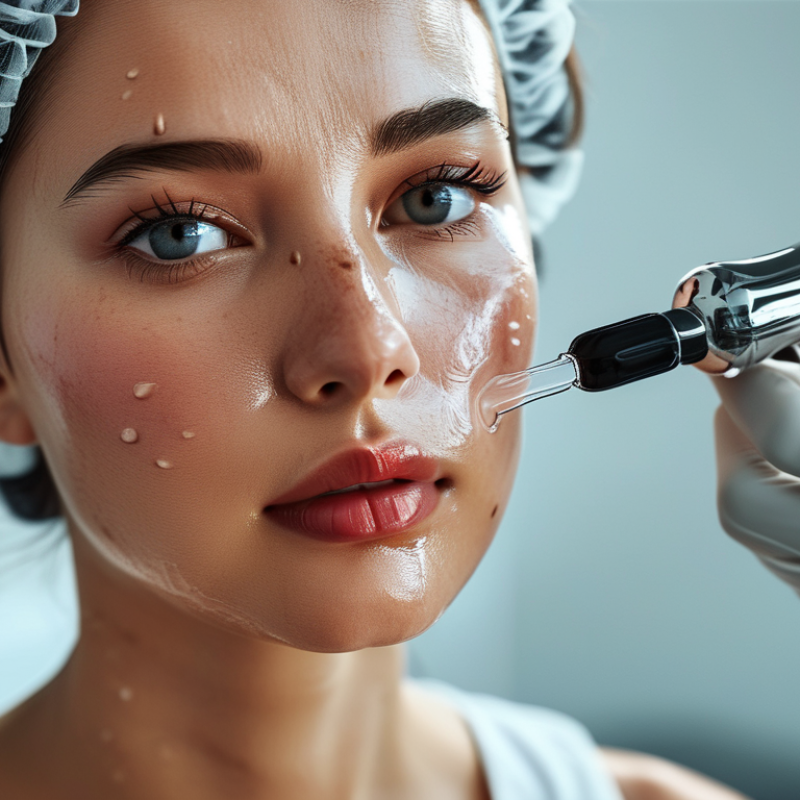
A Vortex-Fusion facial uses three controlled steps within one 30–45-minute appointment. The first step cleanses and gently exfoliates the surface. The second uses fluid-based suction to loosen oil, debris, and visible congestion. The third infuses selected hydrating or antioxidant solutions. This sequence is more consistent than many manual facials, which depend heavily on pressure, technique, and extraction time.
The treatment feels like a cool, moving stream across the cheeks. Most sessions require little or no downtime. A trained professional should still inspect the skin first. Active irritation, open lesions, or certain inflammatory conditions may require postponement. The International Society of Aesthetic Plastic Surgery reported over 19 million nonsurgical procedures worldwide in its 2023 Global Survey. That figure reflects growing demand, but it does not prove every device-based facial is superior.
Manual facials can provide warmth, relaxation, and skilled touch. They may also suit very sensitive skin when suction feels uncomfortable. Vortex-Fusion technology offers measurable structure, yet “better” depends on the patient’s goals. Texture may look smoother immediately, while deeper pigmentation or acne requires a broader plan. Results can vary.
That limitation matters. A 30-minute appointment is efficient, not magical. Professional assessment, hygienic technique, and appropriate solution selection remain essential. The American Society for Dermatologic Surgery’s 2023 consumer survey also documented continued interest in minimally invasive aesthetic care, supporting demand for shorter treatments with minimal recovery.
A standardized hydro-infusion facial follows a measured sequence. Cleansing, exfoliation, extraction, and hydration use controlled settings. This reduces the variation often found in manual facials. Hand pressure can change with fatigue, skin thickness, or treatment habits. Even experienced professionals may apply slightly different techniques.
Technology also makes treatment details easier to track. A qualified skin professional can adjust suction, solution flow, and exfoliation intensity for different skin conditions. The process may feel more consistent across appointments. Patients often notice a smoother texture immediately, especially around the nose and chin. The treatment room can even reveal practical details, such as residue collected after cleansing.
Manual facials still have value. Skilled hands can notice heat, sensitivity, and subtle discomfort quickly. A device cannot replace professional judgment. It is not flawless.
Strong suction may irritate reactive skin. Poor assessment can also create unnecessary redness. That is why reliable treatment depends on proper consultation, clean equipment, trained providers, and realistic expectations. People with active irritation, open wounds, or certain skin conditions may need to postpone treatment. A standardized system improves repeatability, but results still depend on skin history and aftercare. This balance is easy to overlook.
Why Is Hydrafacial Better Than a Manual Facial?
Clinical comparisons suggest that device-assisted facials can produce more consistent exfoliation than manual treatments. A controlled tip removes surface corneocytes evenly, while a therapist’s pressure may vary across the face. This matters around the nose, where roughness often remains after gentle hand exfoliation. Measurements using skin imaging and corneometry have reported smoother texture and short-term hydration gains after device-based treatments. The results are promising, but not permanent.
Extraction is another important difference. Controlled suction can loosen oil and debris from pores with less squeezing than a traditional facial. In practice, this may mean less redness immediately afterward. However, extraction outcomes depend on pore congestion, skin sensitivity, and operator technique. Small clinical studies cannot represent every skin type. That limitation deserves attention.
Tips: Ask how exfoliation strength and suction will be adjusted for your skin. Request a patch test if you react easily. Avoid aggressive treatments after sun exposure or active irritation. Drink water, but do not expect drinking more water alone to replace topical hydration. A moisturizer containing humectants and barrier-supporting ingredients may help maintain the temporary effect.
Manual facials still have value. Experienced hands can notice tenderness, uneven congestion, or irritation that a device cannot interpret. Yet consistency is harder to measure. More independent trials, larger samples, and longer follow-up are still needed before claiming one method is universally better.
Evidence-based comparison of device-assisted hydradermabrasion and conventional manual facial procedures. The comparison avoids brand-specific data and distinguishes established mechanisms from outcomes that still require direct clinical trials.
| Clinical Dimension | Device-Assisted Hydradermabrasion | Conventional Manual Facial | Clinical Interpretation | Evidence Status |
|---|---|---|---|---|
| Exfoliation control | Combines a controlled fluid stream, contact exfoliation, and adjustable treatment intensity. The procedure can standardize the sequence and duration of skin-surface cleansing and exfoliation. | Usually relies on hand-applied cleansers, scrubs, enzymes, or mild peeling products. Exfoliation intensity depends more heavily on the product, technique, pressure, and treatment time. | Device-assisted treatment generally offers greater procedural consistency, but “more exfoliation” is not automatically better for sensitive or barrier-impaired skin. | Mechanistic support |
| Removal of superficial corneocytes | Designed to loosen and remove superficial desquamated cells while continuously flushing the treated surface. | Can remove superficial cells through manual cleansing, abrasive products, enzymes, or superficial chemical exfoliants. | Both approaches can exfoliate the stratum corneum. A validated head-to-head clinical trial showing superior corneocyte removal by one approach has not been consistently established. | Direct comparative data limited |
| Comedone extraction | Uses fluid-assisted cleansing and controlled suction to help loosen surface debris and follicular contents. | Uses fingers, cotton-tipped applicators, or comedone tools with direct pressure and manipulation. | Controlled suction may reduce dependence on concentrated finger pressure, but extraction effectiveness varies with comedone type, pore contents, operator technique, and device settings. | Direct comparative data limited |
| Risk of excessive mechanical pressure | Pressure is distributed through a treatment tip and suction system; excessive suction can still cause transient erythema, petechiae, irritation, or bruising. | Higher localized pressure may occur during difficult extractions, increasing the possibility of pain, inflammation, epidermal injury, or post-inflammatory discoloration. | A device may improve pressure consistency, but operator training and conservative settings remain essential. | Plausible clinical advantage |
| Immediate surface hydration | Often combines exfoliation with water-based cleansing and application of humectant- or emollient-containing solutions. This can produce a temporary increase in surface smoothness and perceived hydration. | Hydration depends on the products applied during and after the facial. Moisturizers, masks, and humectant-containing products can also produce short-term hydration benefits. | Both methods can improve immediate skin feel. Objective superiority should be demonstrated using standardized corneometry rather than visual assessment alone. | Short-term benefit plausible; superiority unconfirmed |
| Transepidermal water loss (TEWL) | Repeated suction, aggressive exfoliation, or unsuitable solutions may temporarily increase TEWL in susceptible skin. A gentle protocol may minimize this effect. | Manual rubbing, abrasive particles, or strong peeling products may also increase TEWL when the barrier is disrupted. | Neither approach should be assumed to improve barrier function immediately. TEWL should be measured before treatment and at standardized follow-up intervals. | Outcome depends on protocol |
| Skin smoothness and radiance | Surface exfoliation, removal of loose debris, and temporary hydration may improve tactile smoothness and optical radiance after treatment. | Similar short-term improvements may occur through cleansing, exfoliation, massage, masks, and moisturization. | Short-term cosmetic improvement is biologically plausible for both methods; subjective ratings should be separated from instrument-based measurements. | Short-term effect plausible |
| Inflammatory acne treatment | May provide cosmetic cleansing benefits, but it is not a substitute for evidence-based acne therapies such as topical retinoids, benzoyl peroxide, or medically indicated treatment. | Manual facials also do not replace standard acne management and may aggravate inflamed lesions if manipulation is excessive. | Neither procedure should be presented as a primary treatment for moderate-to-severe inflammatory acne without medical supervision. | Clinical caution established |
| Downtime and tolerability | Typically associated with brief transient redness when performed conservatively, although irritation, dryness, or bruising can occur. | Usually involves little downtime, but painful extraction, prolonged redness, localized swelling, or irritation may occur. | Reported tolerability is likely influenced by skin type, treatment intensity, extraction burden, and practitioner technique more than by the facial category alone. | Comparative patient-reported data limited |
| Protocol standardization | Provides repeatable treatment steps, adjustable suction, defined solution delivery, and more consistent timing when the same protocol is followed. | Greater operator variability is possible because product amount, pressure, massage duration, extraction technique, and sequence may differ. | This is the clearest practical advantage of device-assisted treatment, although standardization does not guarantee better biological outcomes. | Practical advantage |
| Best objective endpoints for clinical research | Corneometry for hydration, TEWL for barrier status, standardized photography for erythema, sebum measurement, blinded texture grading, and validated patient-reported comfort scores. | The same endpoints should be used to create a fair comparison, with treatment intensity and product formulations carefully matched. | A well-designed randomized split-face trial with blinded assessors would be required to establish superiority rather than simply demonstrate immediate cosmetic improvement. | Recommended methodology |
| Overall evidence conclusion | Offers a credible mechanism for more consistent exfoliation, fluid-assisted cleansing, and product delivery. | Can provide effective cleansing, exfoliation, moisturization, and extraction when performed appropriately. | Current evidence supports procedural consistency as a reasonable advantage, but does not justify a universal claim that device-assisted treatment is clinically superior for exfoliation, extraction, or hydration in every patient. | Superiority not definitively proven |
Hydrodermabrasion treatments are often compared with manual facials because they combine cleansing, gentle exfoliation, and fluid-based extraction. A controlled device can maintain steadier pressure across the skin. Manual treatments depend more heavily on the practitioner’s technique and the patient’s sensitivity.
Some clinical reports cite 99% patient satisfaction after this type of treatment. That figure is encouraging, but it should be read carefully. Survey size, follow-up timing, and treatment settings can affect the result. Satisfaction is not the same as permanent improvement.
Patients commonly describe smoother cheeks and a cleaner appearance around the nose. Mild redness may appear immediately, similar to a light flush after exercise. Most people return to routine activities quickly, with little or no visible peeling. This minimal downtime can suit busy schedules.
Still, it is not ideal for every skin condition. A qualified professional should review active irritation, recent procedures, allergies, and medication use beforehand. In practice, careful assessment often matters more than the device itself. A rushed session can produce disappointing results. Even impressive satisfaction statistics cannot replace realistic expectations, skilled observation, and proper aftercare.
Why Is Hydrafacial Better Than a Manual Facial?
A Hydrafacial may offer more consistent results because it combines cleansing, exfoliation, extraction, and hydration in one controlled process. Its adjustable suction can reduce unnecessary pressure on congested areas. However, it is not automatically safer for every client. A trained professional should assess skin sensitivity, active irritation, open wounds, recent procedures, and relevant medical conditions before treatment. Disposable contact tips and careful equipment disinfection also support safer practice. These details matter more than the machine itself.
Customization is another important advantage. A professional can adjust suction strength, exfoliation intensity, and topical ingredients according to the client’s skin condition. Dry skin may need gentle exfoliation and barrier-supportive hydration. Oily skin may tolerate more focused extraction. Manual techniques still have value, especially around delicate areas where mechanical suction feels uncomfortable. In practice, the best choice depends on assessment, not advertising. Results can vary, and some claims deserve more evidence.
Tips: Ask who performs the treatment and what training they have completed. Request a clear explanation of possible redness, sensitivity, or temporary dryness. Confirm that single-use components are opened in front of you. Share your skincare products, allergies, medications, and recent procedures honestly. A professional should record your history, obtain informed consent, and explain aftercare. If the consultation feels rushed, pause before proceeding. Safety should never be an afterthought.
Compared with a fully manual facial, hydradermabrasion combines mechanical exfoliation, controlled liquid delivery, and vacuum-assisted extraction in one device-based procedure. The comparison below shows whether each modality typically includes specific treatment controls; it is not a clinical efficacy score.
The treatment usually lasts 30–45 minutes. It cleanses and gently exfoliates the surface. Fluid-based suction loosens oil and visible debris. A selected hydrating or antioxidant solution follows. The skin may feel cool and refreshed.
Most people describe a cool, moving stream across the cheeks. Suction should feel controlled, not harsh. Some sensitive areas may feel uncomfortable. Manual techniques might suit those clients better. Comfort varies.
Most sessions require little or no downtime. Mild redness, sensitivity, or temporary dryness can occur. Your skin may look smoother immediately. That improvement may not last equally for everyone.
A device-based facial follows a more consistent sequence. Manual facials depend more on pressure, touch, and extraction time. Manual care can feel warmer and more relaxing. It may also suit very sensitive skin. Neither option is always better.
Yes, a trained professional can adjust suction strength and exfoliation intensity. Dry skin may need gentle exfoliation and barrier-supportive hydration. Oily skin may tolerate more focused extraction. Delicate areas may need manual care instead. Customization requires honest assessment.
Treatment may need postponement for active irritation or open lesions. Certain inflammatory conditions can also require caution. Recent procedures and relevant medical conditions should be disclosed. Do not hide medication or allergy information. That detail matters.
The professional should inspect your skin before treatment. Single-use contact tips should be opened in front of you. Equipment must be disinfected carefully. Your history should be recorded. Informed consent should come before treatment.
It may improve surface texture and remove visible congestion. Deeper pigmentation or acne usually needs a broader plan. One short appointment is not magical. Results vary between people. Some promotional claims need stronger evidence.
Why is hydrafacial better than a regular manual facial? The main advantage is its structured, technology-based approach. A typical treatment follows a three-step vortex-fusion protocol: gentle cleansing and exfoliation, controlled extraction, and infusion of hydrating and nourishing ingredients. The process generally takes about 30–45 minutes, offering a consistent experience with less reliance on individual hand techniques. In comparison, manual facials can vary more widely depending on the practitioner’s methods, pressure, and product selection.
Clinical evaluations have reported improvements in surface exfoliation, pore cleansing, and skin hydration, while patient feedback has indicated satisfaction rates of up to 99% in some settings. The treatment is also associated with minimal downtime, making it suitable for people seeking visible freshness without extended recovery. Its adjustable settings allow professionals to tailor intensity and solutions to different skin needs. When performed by trained providers under appropriate safety and hygiene standards, it can offer a predictable, comfortable, and customizable facial experience.
