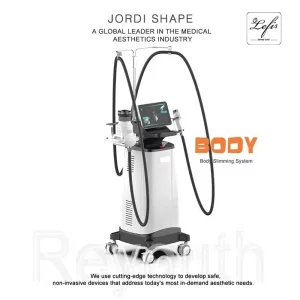
Innovative Aesthetic & Laser Systems Portfolio
Direct factory clinical configurations optimizing non-invasive fat reduction, skin resurfacing, and high-precision laser therapeutics.
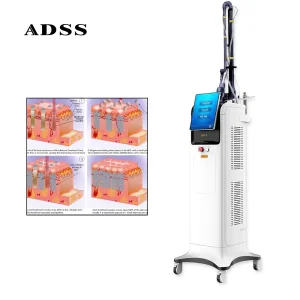
Factory-Direct CO2 Fractional Laser for Beauty Clinics and Spas
View Technical Specifications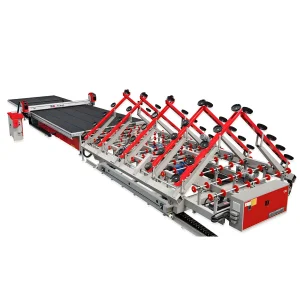
4228/5133 CNC Jumbo Automatic Float Glass Cutting Machine Processing Small Picosecond Laser Tempered Laminated Cut Robot Edge Loading Machine
View Technical Specifications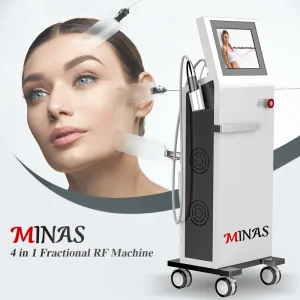
Professional Ultrasonic Hydra Dermabrasion Machine Oxygen Jet Hydra Microdermabrasion Facial Machine
View Technical Specifications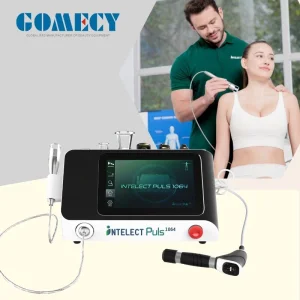
Shockwave Back Pain Relief Tens Machine Physiotherapy Body Knee Physiotherapy Pain Relief Massager Focused Shock Wave Therapy
View Technical Specifications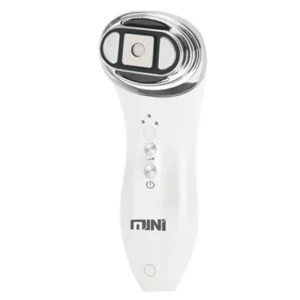
Newest Mini Hifu Face Lifting Skin Rejuvenation Beauty Machine
View Technical Specifications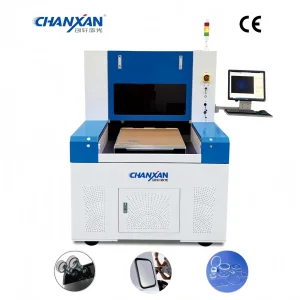
Ultra-Precise Picosecond China Laser Cutting Machine for for Semiconductor 3c Glass
View Technical Specifications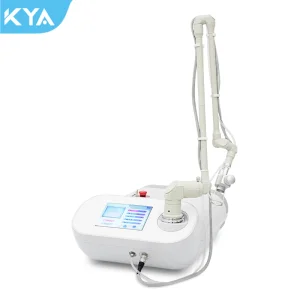
CO2 Fractional Laser Scar Removal Beauty Device Vaginal Tightening Skin Rejuvenation
View Technical Specifications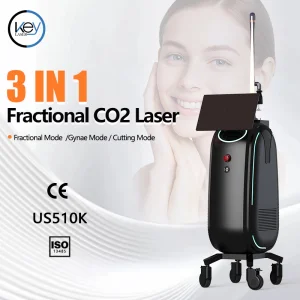
Usfda 510K Approved Fractional CO2 Laser for Skin Resurfacing Stretch Mark Scar Laser Removal Vaginal Rejuvenation
View Technical SpecificationsExecutive Brief: The Shift to Laser Lipolysis
Analysing the physiological, clinical, and macroeconomic vectors driving modern body contouring modalities.
In the global medical aesthetics sector, non-invasive and minimally invasive fat reduction systems have transitioned from niche wellness applications to core clinical offerings. Historically, surgical liposuction served as the gold standard for adipocyte removal. However, complications related to general anesthesia, long postoperative recovery windows, and localized skin laxity have catalyzed the demand for energy-based alternatives. Among these, Laser Lipolysis Devices have emerged as the premier technological solution, offering precise targeting, minimal down-time, and concomitant skin tightening through subdermal neocollagenesis.
Laser lipolysis relies on selective photothermolysis to disrupt adipose tissue. By utilizing specific wavelengths—predominantly 920nm to 1064nm for transcutaneous systems, and 1470nm for subdermal procedures—these devices deliver targeted thermal energy to the subcutaneous fat layer. The laser light penetrates tissue barriers to target the water and lipid content of adipocytes. Under thermal stress exceeding 42°C to 47°C, the cell membrane integrity of the adipocyte is compromised, leading to cell death (apoptosis). The body's lymphatic system then naturally metabolizes and clears the cellular debris over a 6 to 12-week period.
For medical distributors and clinical operators, choosing the right manufacturer in China—the global epicenter of high-performance beauty equipment production—requires a deep understanding of hardware components, laser wavelengths, regulatory compliance, and thermal safety features. This guide provides a strategic analysis of the industrial landscape, technical specifications, and production standards defining top-tier manufacturing in this domain.
Global Industrial Landscape & Market Dynamics
An overview of geographical demand, regulatory hurdles, and commercial deployment profiles.
North American Regulatory Rigor
The US and Canadian markets require strict FDA 510(k) clearances and Health Canada approvals. Manufacturers targeting this region must possess detailed biocompatibility studies, electromagnetic compatibility (EMC) testing reports, and clinical trial validation to support safety claims.
European Union MDR Standards
Since the enforcement of the EU Medical Device Regulation (MDR 2017/745), aesthetic lasers are classified under high-scrutiny categories (Class IIb). Devices must meet rigorous technical file evaluations, clinical evaluation reports (CER), and annual surveillance audits to maintain CE Mark certification.
Asia-Pacific Production Supremacy
Led by China's advanced manufacturing hubs in Guangdong, the APAC region has achieved unmatched vertical integration. China-based OEMs offer component sourcing, custom metalwork, specialized software interfaces, and high-level optics assembly at a fraction of the capital cost of Western counterparts.
Technological Demarcation: Invasive vs. Non-Invasive
A crucial factor in global procurement is understanding the local application framework of the device. High-power diode lasers (e.g., 1470nm) are typically integrated into surgical fibers for endo-laser lipolysis. This micro-invasive procedure is favored by plastic surgeons for contouring the jawline (double chin) and tightening deep dermal structures. In contrast, multi-diode paddle systems (e.g., 650nm low-level laser therapy and 980nm thermal systems) are designed for non-invasive, transcutaneous applications managed by aestheticians in medical spas. Strategic importers align their procurement portfolios with the licensing restrictions of their target operator demographic.
Technological Roadmap & Engineering Horizons
From solid-state lasers to multi-wavelength systems: tracking the hardware parameters that dictate clinical outcomes.
The performance of a laser lipolysis device is determined by three core engineering variables: wavelength precision, thermal cooling control, and pulse delivery algorithms. Historically, manufacturers utilized Nd:YAG crystals to generate 1064nm laser light. While highly effective, solid-state crystal lasers require extensive power supplies, large chassis enclosures, and frequent optical alignment maintenance. The modern market has rapidly transitioned to semiconductor Diode Laser Systems.
Diode lasers offer solid-state stability, superior electrical-to-optical conversion efficiency, and compact packaging. This allows manufacturers to build sleek, portable systems or high-power multi-applicator console platforms. Below is the technical timeline detailing the engineering trajectory of these devices:
Phase 1: Single Wavelength Monoliths
Early devices focused solely on the 1064nm wavelength. While highly effective for deep fat layer penetration, these systems lacked the superficial thermal action needed to contract loose skin simultaneously.
Phase 2: Dual-Wavelength Synergy
Integrating 980nm (high water absorption for vascular coagulation and swelling reduction) with 1064nm (high lipid absorption) into a single fiber or applicator. This combination minimized post-treatment bruising and accelerated recovery times.
Phase 3: Real-Time Skin Temperature Feedback
Modern devices incorporate contact cooling (Sapphire chill tips) and non-contact infrared sensors. The system continuously measures skin temperature, automatically adjusting or cutting off laser output if epidermis temperatures exceed 43°C, preventing thermal burns.
Guangzhou Smidge Beauty Co., Ltd.
Institutional Profile of a Top-Tier OEM & ODM Aesthetic Equipment Manufacturer
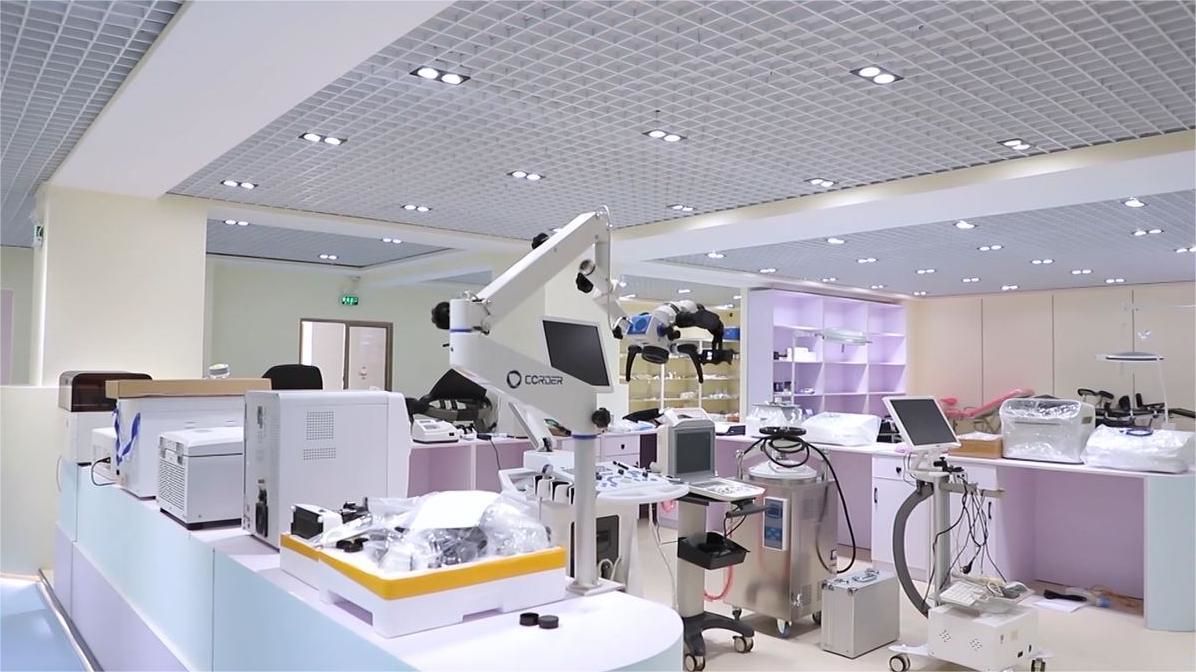
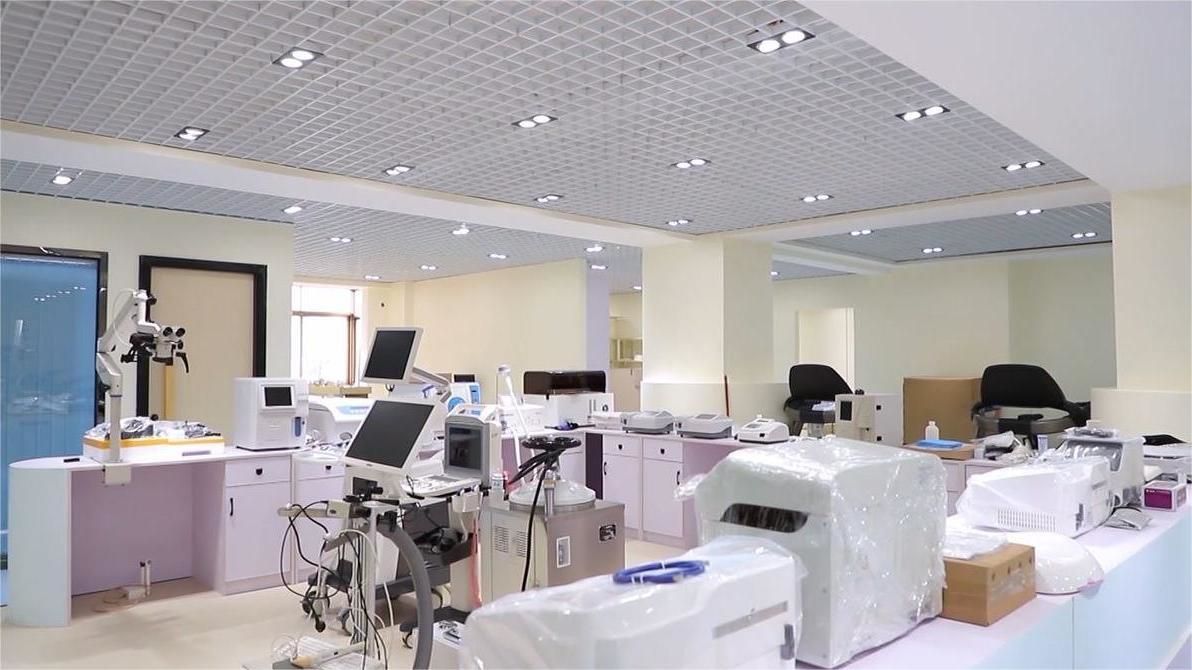
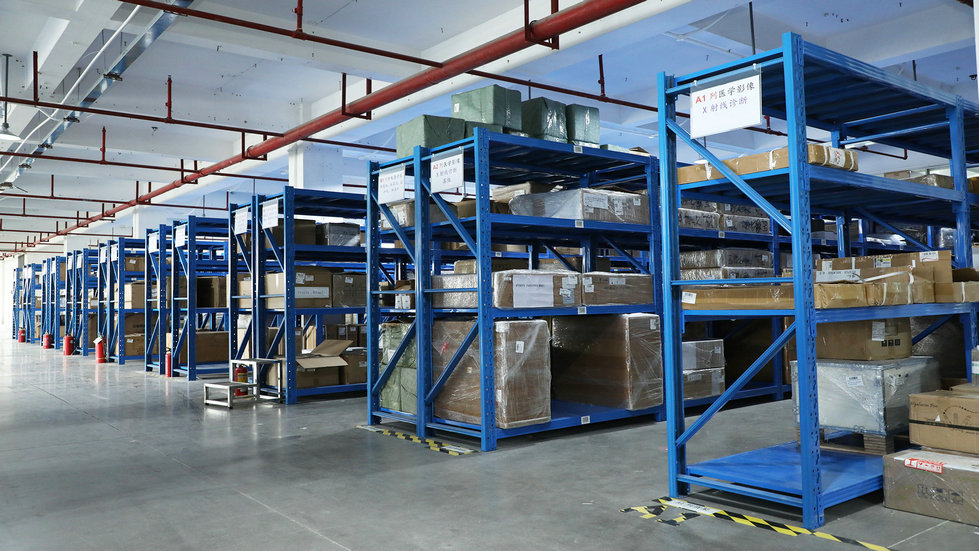
Guangzhou Smidge Beauty Co., Ltd. is a professional OEM & ODM manufacturer specializing in the research, development, production, and export of advanced beauty and aesthetic equipment in Guangzhou, China. With years of industry experience and continuous technological innovation, Smidge Beauty has become a trusted partner for global distributors, beauty salons, clinics, and wellness centers.
Our factory and office facilities cover an area of more than 1,000 square meters and are supported by a highly skilled team of over 50 employees, including an experienced R&D team of 8–10 engineers. We are committed to delivering innovative technology, reliable quality, professional technical support, and comprehensive after-sales service to customers worldwide.
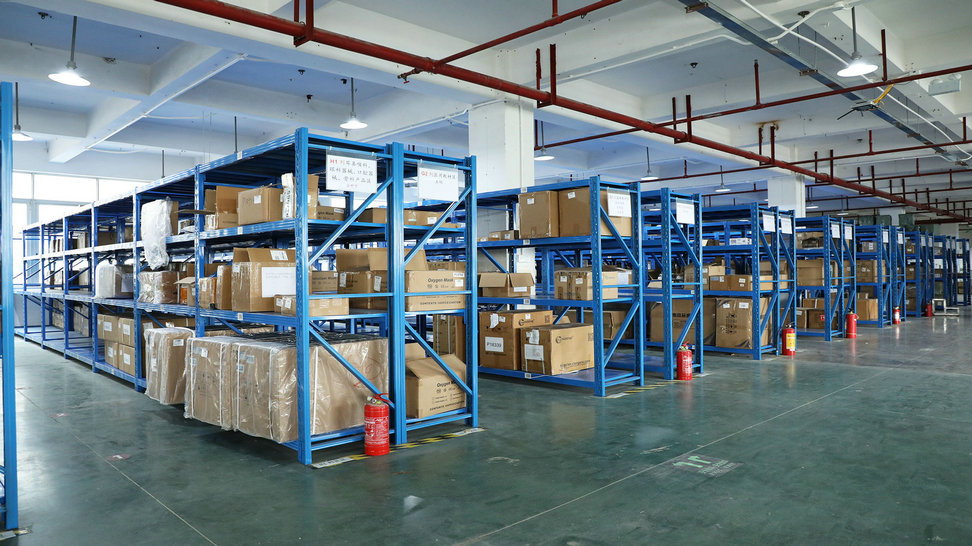
Our Core OEM/ODM Advantages
Aligning manufacturing capabilities with strategic global brand requirements.
Strong OEM & ODM Capability
We provide customized solutions for branding, appearance design, system language, functions, packaging, and marketing support to help customers build their own beauty equipment brands.
Professional R&D Team
Our dedicated engineers continuously follow market trends and develop innovative technologies to meet the changing demands of the global beauty industry.
Strict Quality Control
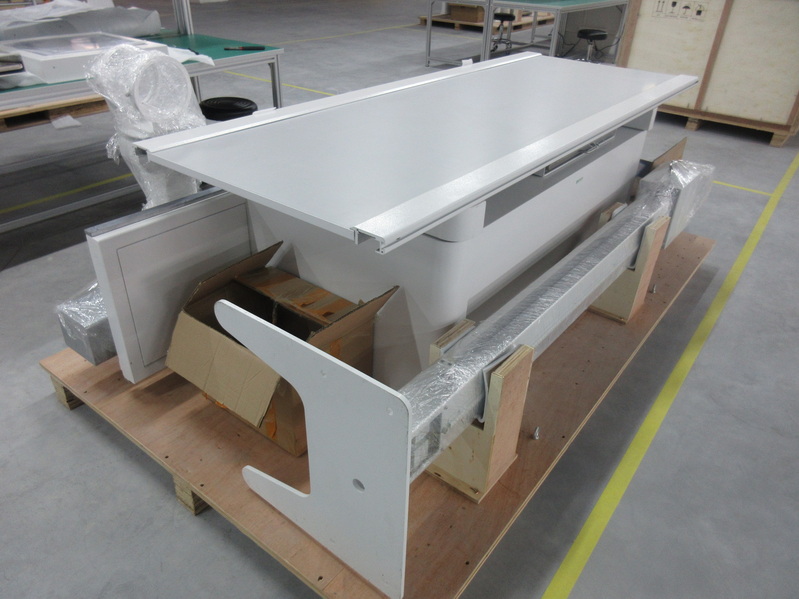
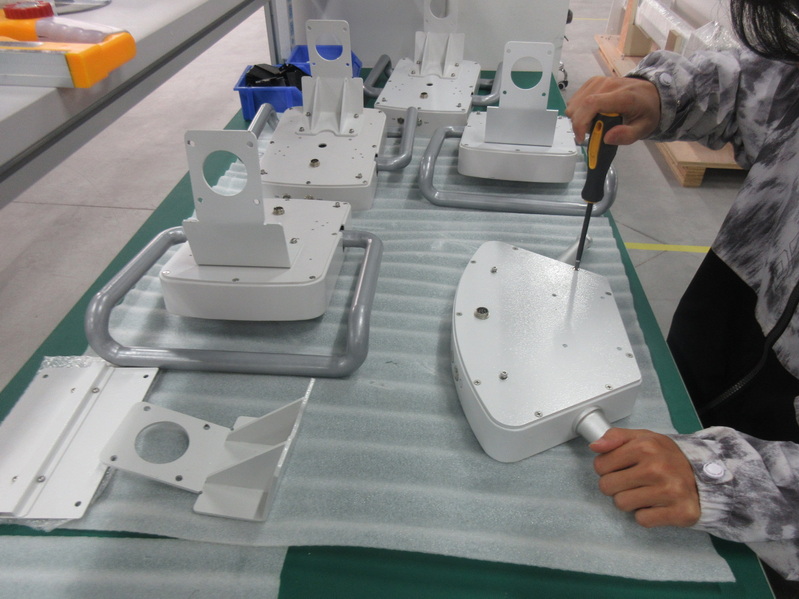
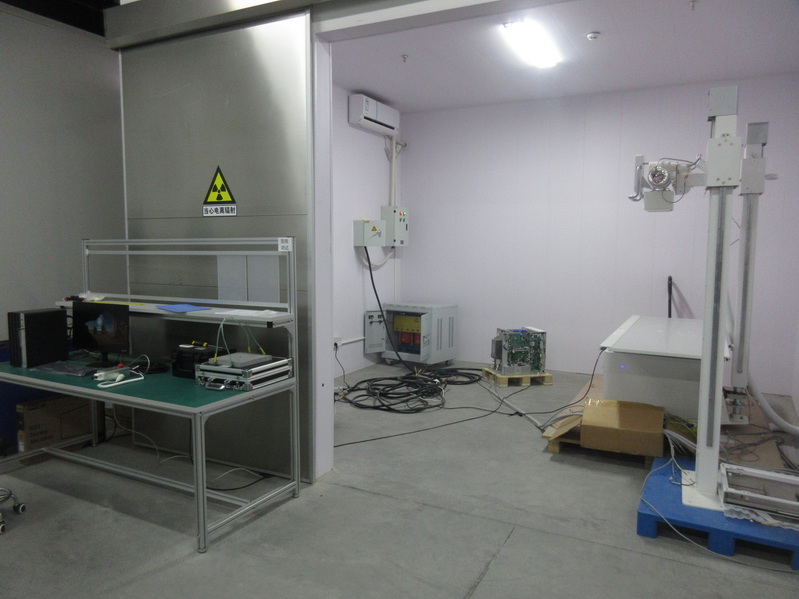
From raw material selection to final product testing, every production process is strictly controlled to ensure stable performance, safety, and durability.
Comprehensive After-sales Service
We offer professional technical guidance, operation training, online support, and fast-response after-sales service to ensure customers can use our machines confidently and efficiently.
Our Mission & Team Culture
At Smidge Beauty, we are proud of our highly efficient, professional, and quality-oriented team. Our staff members come from different regions and possess extensive experience in the beauty equipment industry. Every day, our team works closely together across production, quality inspection, sales, and technical departments to maintain the highest standards. With strict attention to detail and a strong spirit of craftsmanship, our team is dedicated to delivering reliable and high-quality products that exceed customer expectations. Their passion, responsibility, and continuous improvement are the driving forces behind the success and reputation of Smidge Beauty.
We are committed to providing innovative beauty technologies and helping global customers achieve business growth and long-term success. We sincerely welcome partners from all over the world to cooperate with us for mutual development and a brighter future.
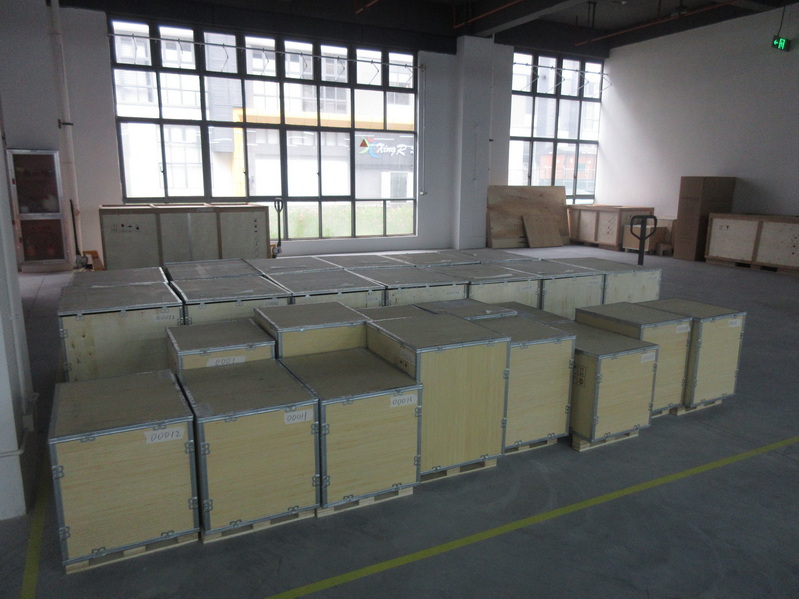
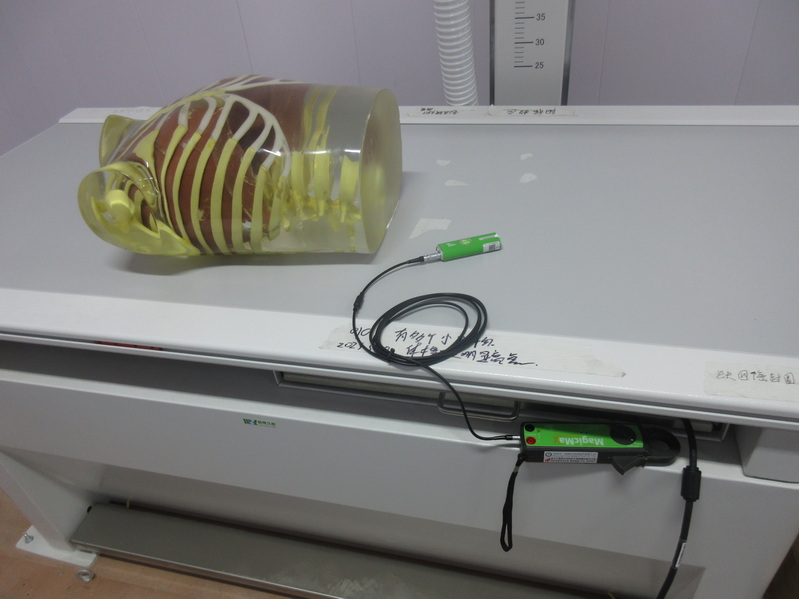
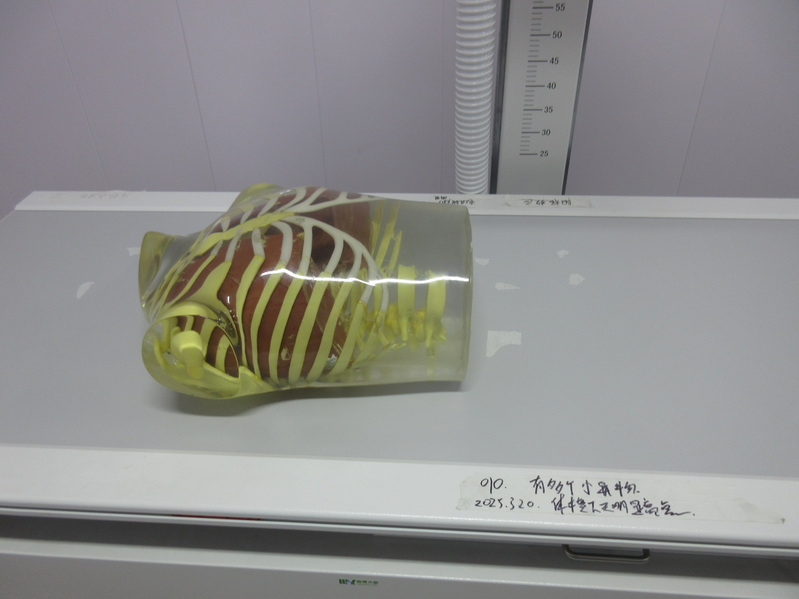
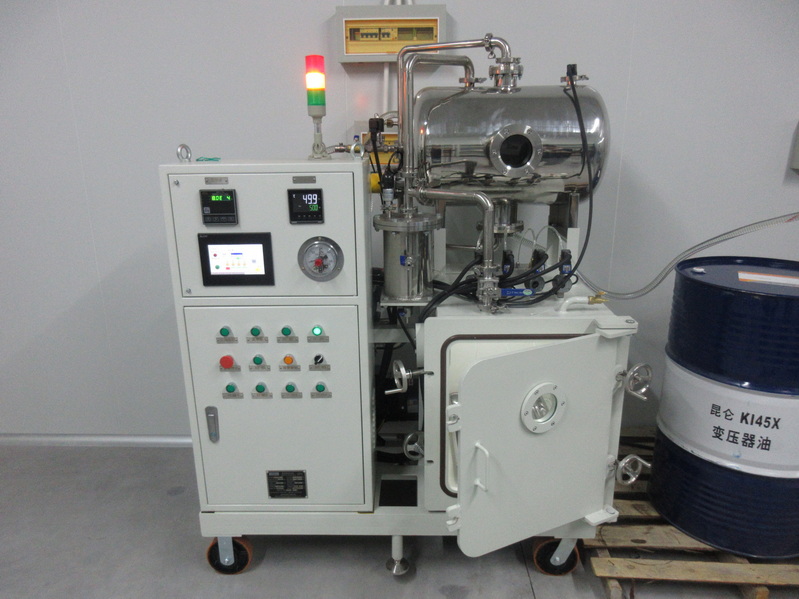
Manufacturing Processes & Quality Control Systems
Visualizing our production lines, testing laboratories, and system debugging steps.
Modal Analysis: Laser Lipolysis vs. Alternating Technologies
A data-backed comparison of primary clinical fat reduction and body shaping modalities.
| Technology Modality | Primary Biophysical Mechanism | Typical Treatment Areas | Skin Tightening Effect | Recovery Profile |
|---|---|---|---|---|
| Laser Lipolysis (e.g. Diode 1064nm) | Selective photothermolysis causing thermal adipocyte apoptosis. | Abdomen, flanks, submental, arms. | High (Via dermal thermal stimulation) | Non-invasive: Zero downtime. Micro-invasive: 2-3 days. |
| Ultrasonic Cavitation (80K/40K) | Acoustic cavitation micro-bubbles bursting fat cell membranes. | Large volume fat areas (Thighs, abdomen). | Moderate (Depends on secondary RF integration) | Zero downtime. Non-invasive. |
| Cryolipolysis | Localized cooling (crystallization) of lipids inducing selective apoptosis. | Discrete fat bulges. | Minimal (Often requires subsequent RF treatments) | Zero downtime; temporary localized numbness. |
| EMS Muscle Stimulation | High-intensity focused electromagnetic energy inducing supramaximal contractions. | Abdomen, buttocks, thighs. | Low (Indirect effect via muscle toning) | Zero downtime; minor muscle soreness. |
Understanding these modal differences is essential for distributors mapping out their product lines. A robust aesthetic business typically pairs a high-precision laser lipolysis system for targeted fat reduction and skin tightening with an EMS system for muscle contouring, or a cavitation machine for bulk volume reduction. This creates complementary treatment plans that improve client results and increase clinic revenue.
Expert Q&A: Technical & Commercial Insights
Answering high-intent questions from clinical operators, regulatory agents, and procurement officers.
Advanced Body Contouring & Facial Wellness Systems
High-end multi-functional, ultrasonic cavitation, and microcurrent energy devices designed for comprehensive aesthetic practices.
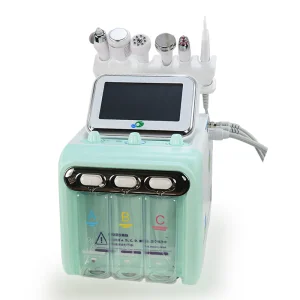
6 in 1 Multifunctional Hydro Dermabrasion Machine for Skin Care
View Technical Specifications
NewFace CE LVD Powerful Comprehensive High-end Skin Health Management System 12 in 1 Multi Functions Hydra Beauty Facial Machine
View Technical Specifications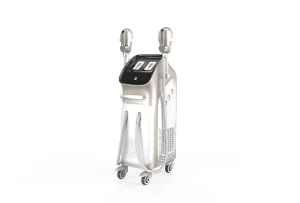
High Intensity Focused Electromagnetic Stimulador Muscular EMS Muscle Stimulator
View Technical Specifications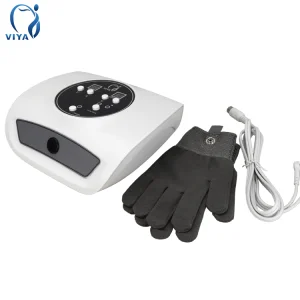
VY-5011 Portable Magic Microcurrent Facial Massager Machine Magic Hands Therapy Beauty Equipment
View Technical Specifications
Hot Sale Radial Shock Wave Therapy Device Hock Wave Machine
View Technical Specifications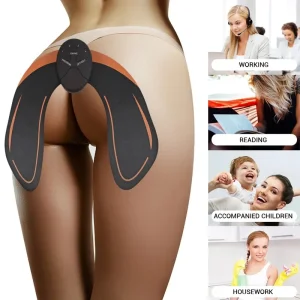
Beauty Women Fitness EMS Butt Lift Enhancement Machine Stimulator Lifting Abdominal Short Set Hip Muscle Trainer
View Technical Specifications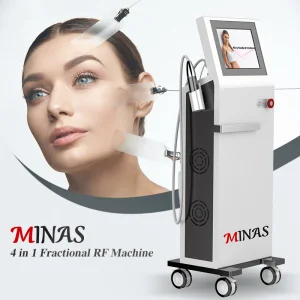
11 in 1 Hydro Dermabrasion Facials Skin Tightening Hydra Microdermabrasion Facial Cleaning Machine
View Technical Specifications