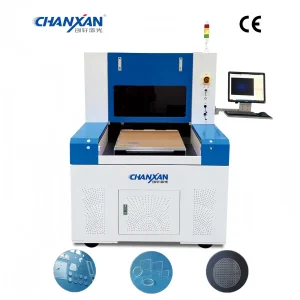
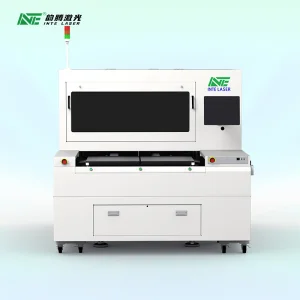
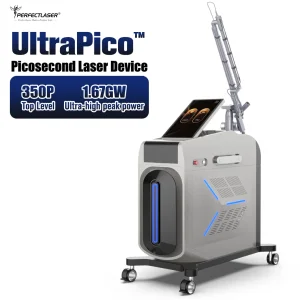
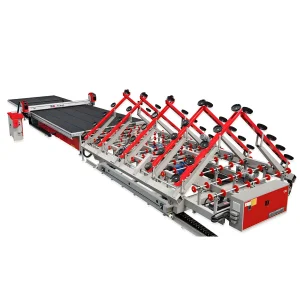
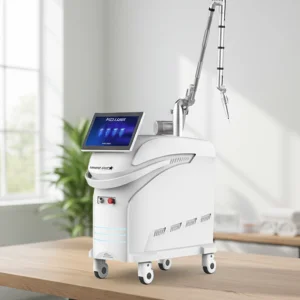
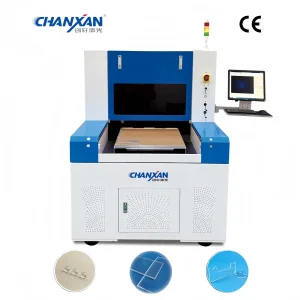
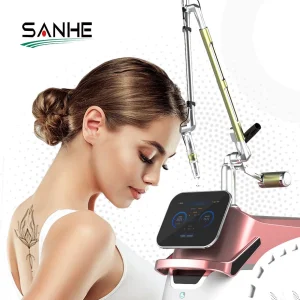
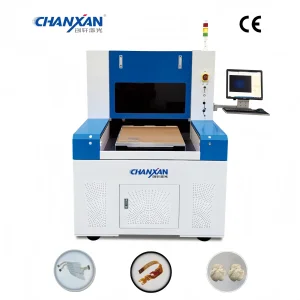
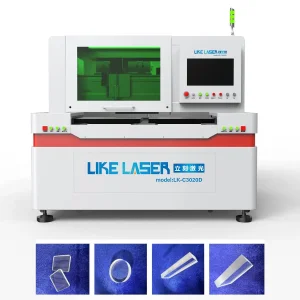
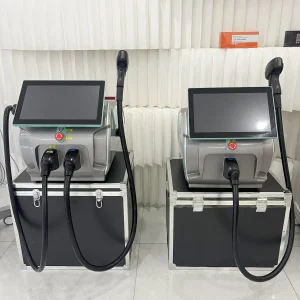
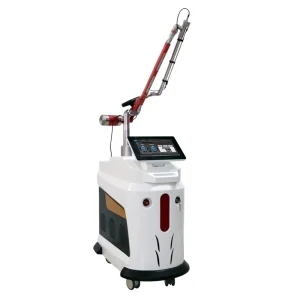
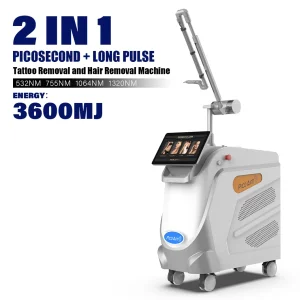
Featured Picosecond Laser Innovations for Takamaka
Pioneering systems engineered for medical clinics, cosmetic suites, and precision materials processing.
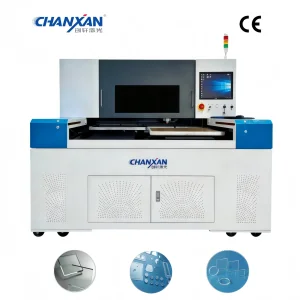
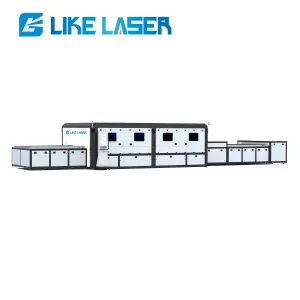
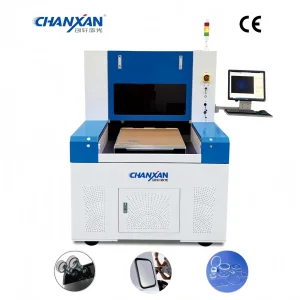
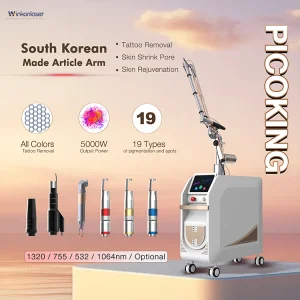
The Evolution of Ultra-Short Pulse Laser Technology
In the field of high-precision materials micro-processing and non-thermal medical therapeutics, the emergence of picosecond pulse widths ($10^{-12}$ seconds) marks a paradigm shift from thermal cutting processes to direct "cold" photo-ablation.
Traditional nanosecond lasers ($10^{-9}$ seconds) rely heavily on thermal melt dynamics, which creates a substantial Heat Affected Zone (HAZ), micro-cracks, and structural fatigue in brittle materials like borosilicate glass, sapphire, and silicon wafers. Picosecond lasers deliver peak power densities so intense that the target material transforms instantly into plasma, bypassing liquid phases entirely. This prevents heat dissipation into surrounding structures.
For medical aesthetics, this ultra-short pulse duration induces Photo-Acoustic Shockwaves rather than photothermal heat. This enables targeted pigment shattering (melasma, tattoo inks, hyperpigmentation) while preserving epidermal integrity. This advancement is essential for diverse skin profiles and high-reliability industrial manufacturing alike.
Technical Blueprint: Standard vs. Picosecond Systems
Understanding the structural differences in photon interaction and thermal load characteristics:
| Parameter | Nanosecond Laser | Picosecond Laser |
|---|---|---|
| Pulse Duration | 3 – 15 ns | 350 – 800 ps |
| Thermal Transfer | High (Micro-cracks) | Negligible (Cold Ablation) |
| Peak Pulse Power | Medium (Megawatts) | Ultra-High (Gigawatts) |
| Acoustic Wave Ratio | Low (High heat) | Extremely High (Shattering) |
Takamaka Local Context: Commercial & Industrial Landscape
Addressing regional climate demands, premium tourism wellness, and precision glass manufacturing in the Indian Ocean hub.
Environmental Resilience
Takamaka's tropical environment presents challenges like high relative humidity (exceeding 80%) and saline coastal air. Laser hardware must feature hermetically sealed optical pathways and integrated thermoelectrically cooled (TEC) modules to prevent condensation, thermal drift, and component degradation.
Premium Spa & Wellness
Takamaka supports a luxury tourism sector where clinics require medical systems designed for diverse skin types (Fitzpatrick scale IV-VI). Pulse configurations like the 755nm honeycomb focus array allow target-specific treatment, reducing hyperpigmentation risks associated with thermal lasers.
Specialty Glass Processing
Takamaka serves as a design and packaging hub for regional products, including high-end beverages and optical components. Picosecond lasers provide micro-cutting, contour drilling, and internal volumetric engraving of glass containers without micro-cracking.
Global Enterprise Procurement Guidelines
Key technical parameters for system evaluation and deployment.
Procuring ultra-short pulse laser systems requires evaluating key physical parameters to ensure long-term stability and high throughput.
1. Pulse Width Stability (350ps to 800ps)
Shorter pulse widths reduce thermal loading. Systems must maintain pulse width stability within ±5% across extended production cycles to avoid thermal creep and unexpected heat damage in microstructures.
2. Beam Quality Factor ($M^2 \le 1.2$)
The beam propagation ratio ($M^2$) determines focusability. An $M^2$ value close to 1.0 supports tight focal spots, minimizing processing margins and maximizing energy density at the focus point.
3. Multi-Wavelength Delivery Options
For versatile applications, optical paths must support rapid switching between 1064nm (near-IR), 532nm (green), and 355nm (UV). High-efficiency harmonic generator crystals should be integrated into a stable, enclosed housing.
4. Mean Time Between Failures (MTBF > 20,000 Hours)
Industrial components require long service lives. Critical modules—such as seed diodes, active optical fibers, and laser cavities—must be rated for continuous industrial cycles to minimize production downtime.
Macro-Industry Solutions & Automation Integration
Connecting high-speed picosecond engines with multi-axis CNC systems and robotic loaders.
Integrating picosecond laser engines with automated handling systems is essential for modern high-throughput manufacturing. Standard configurations feature multi-axis gantries, rotary stages, and robotic edge loaders to handle high glass yields without human error.
Our industrial glass-cutting solutions feature coaxial gas delivery and high-speed galvo scanners to execute complex vector profiles, slot arrays, and blind vias. With CNC jumbo glass automation, large sheets are fed, cut, and sorted using vacuum-assisted end effectors, minimizing mechanical stress and edge micro-chipping (typically below 5 microns).
Additionally, closed-loop optical feedback systems monitor spot focal plane positions in real-time, compensating for variations in material thickness or surface waviness across large formats.

Guangzhou Smidge Beauty Co., Ltd.
A leading OEM & ODM manufacturer specializing in the research, development, and export of advanced laser and aesthetic equipment.
Corporate Profile
Guangzhou Smidge Beauty Co., Ltd. is a professional OEM & ODM manufacturer specializing in the research, development, production, and export of advanced beauty and aesthetic equipment in Guangzhou, China. With years of industry experience and continuous technological innovation, Smidge Beauty has become a trusted partner for global distributors, beauty salons, clinics, and wellness centers.
Our factory and office facilities cover an area of more than 1,000 square meters and are supported by a highly skilled team of over 50 employees, including an experienced R&D team of 8–10 engineers. We are committed to delivering innovative technology, reliable quality, professional technical support, and comprehensive after-sales service to customers worldwide.
Manufacturing Advantages
- Strong OEM & ODM Capability: We provide customized solutions for branding, appearance design, system language, functions, packaging, and marketing support.
- Professional R&D Team: Our engineers follow market trends and develop new technologies to meet the changing demands of the global beauty and industrial markets.
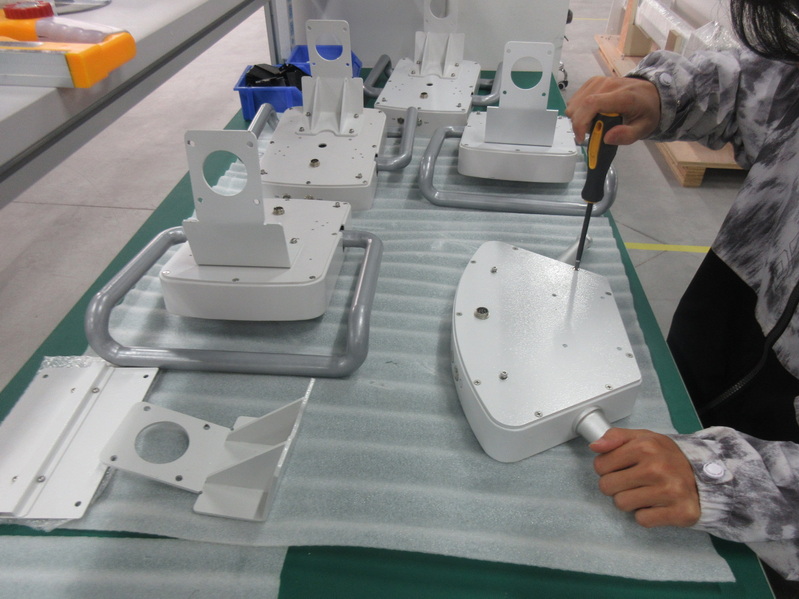
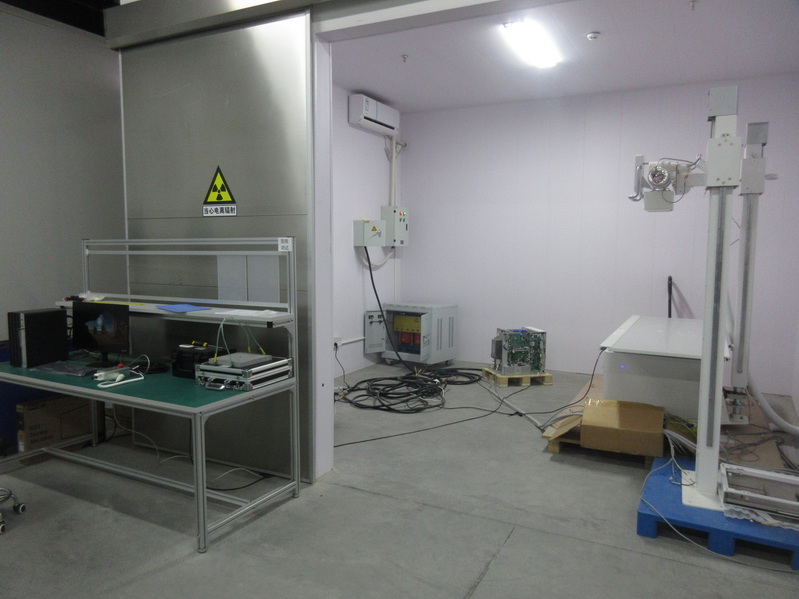
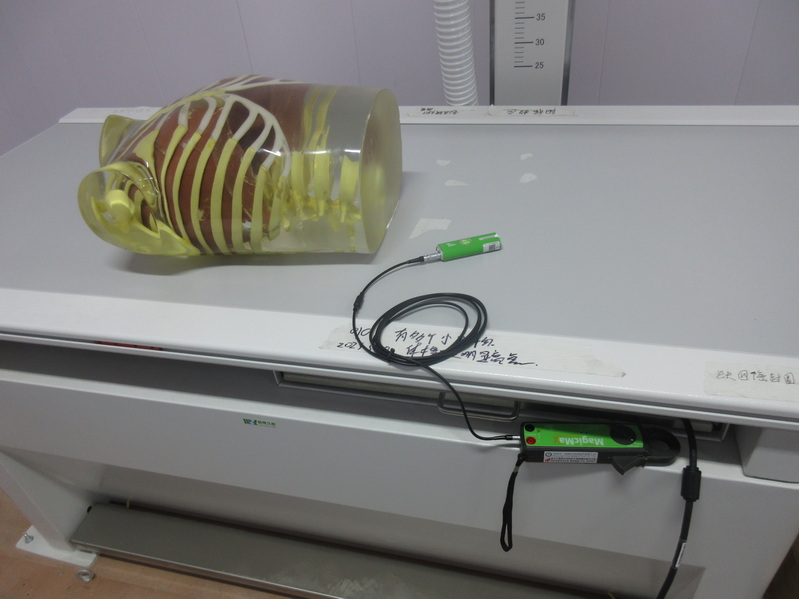
- Strict Quality Control: From raw material selection to final product testing, every production process is strictly controlled to ensure stable performance and durability.
- Comprehensive After-Sales Service: We offer professional technical guidance, operation training, online support, and fast-response service.
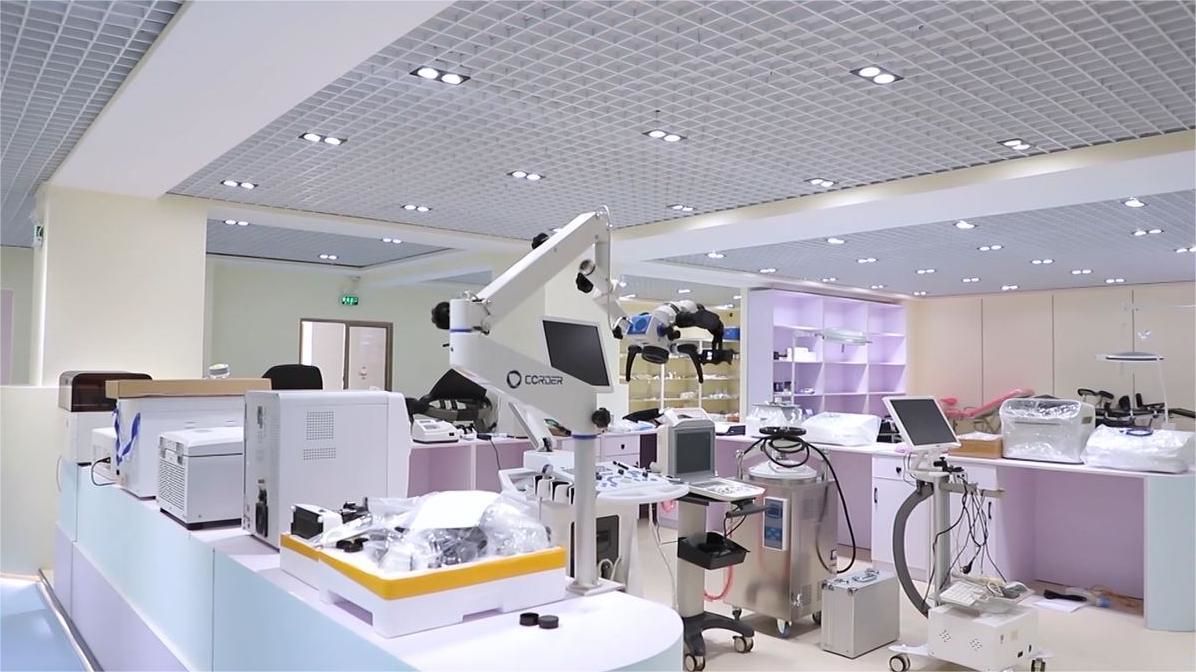
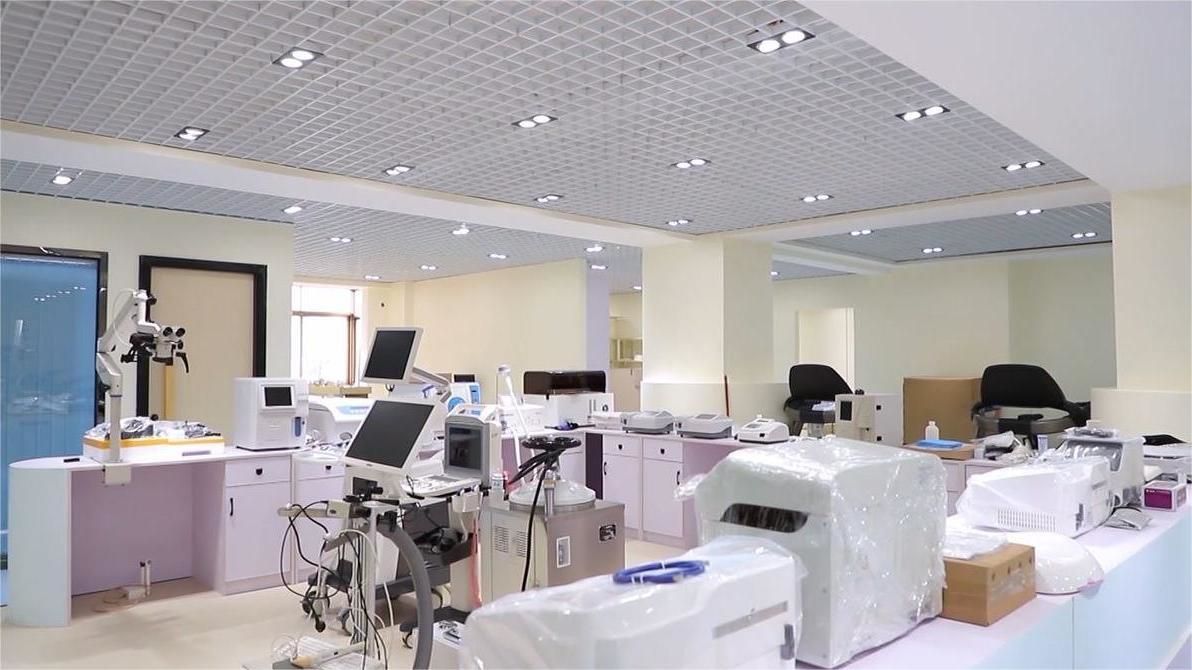
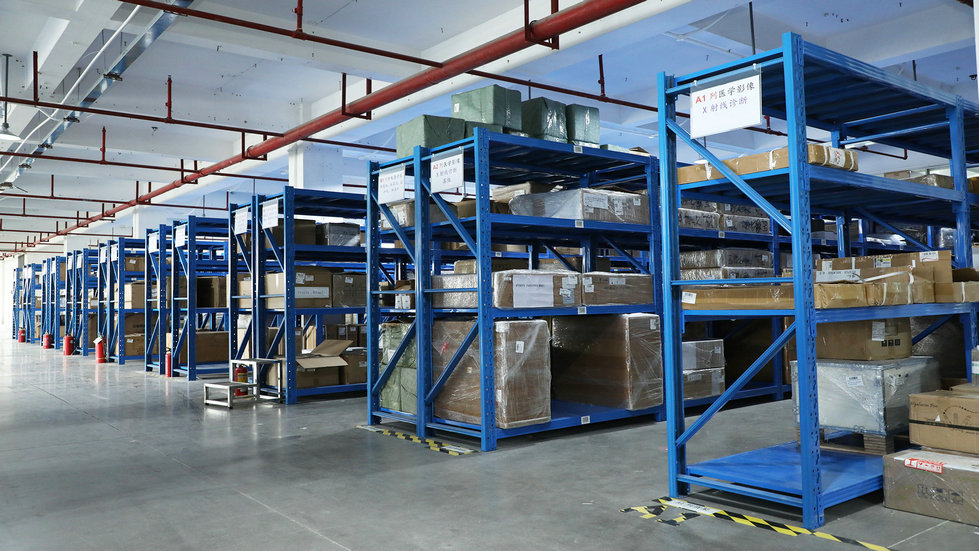
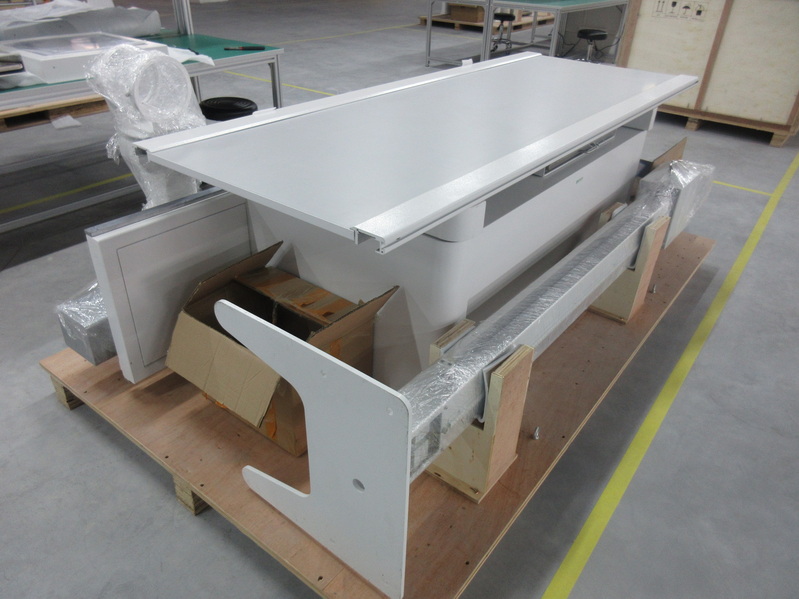
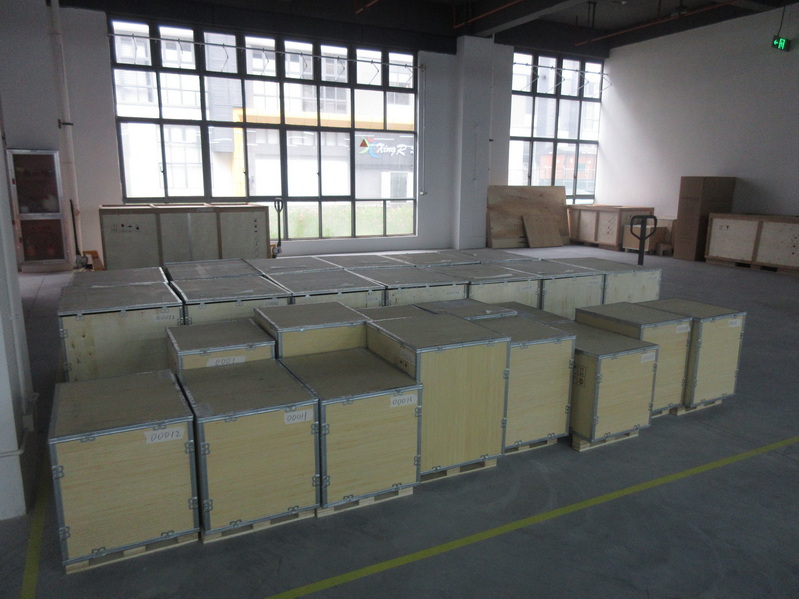
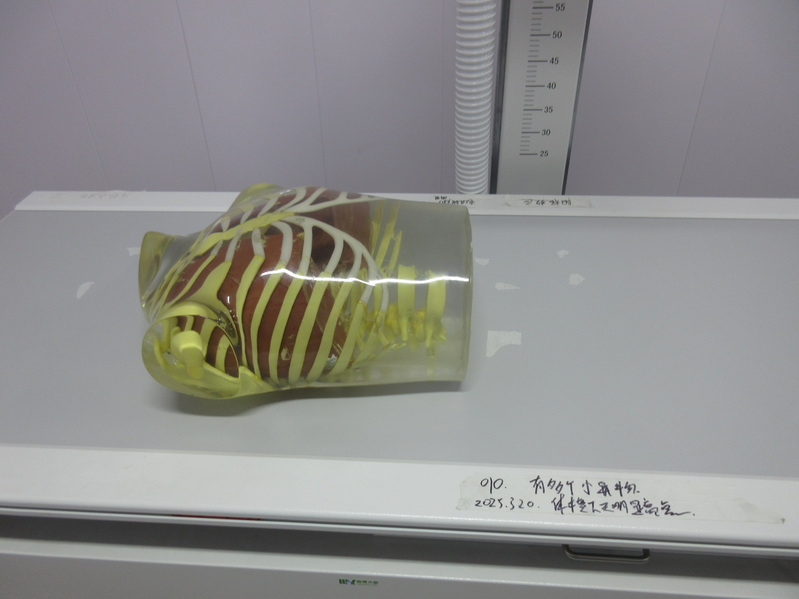
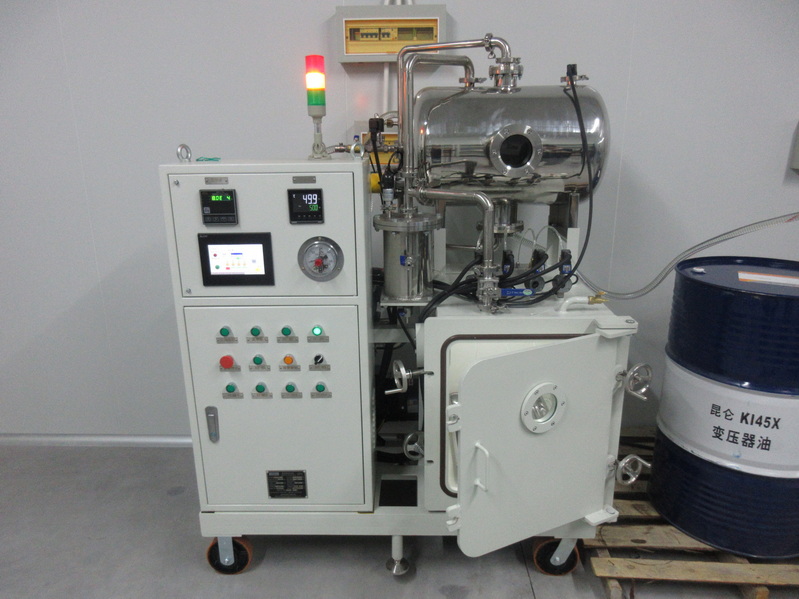
Manufacturing Process & Quality Control
Rigorous processing, assembly, calibration, and validation workflows.
Technology Roadmap & Future Outlook
Developing higher power, shorter pulses, and advanced smart systems.
Sub-Picosecond & Femtosecond Systems
Future equipment designs focus on shorter pulses. By shifting from standard 350ps systems to sub-picosecond and femtosecond regimes, pulse widths are reduced, minimizing residual thermal stress and expanding applications in wafer micro-machining.
AI-Driven Spot Size Adaptation
Integrating real-time imaging with deep learning models allows laser spots to adjust profile parameters dynamically. This optimization handles variations in target thickness or skin tissue impedance, maximizing efficiency and safety.
Regulatory Compliance & Localization Support
Providing certified hardware and technical support for regional enterprises in Takamaka.
Deploying advanced laser technology requires adhering to strict regulatory frameworks and safety guidelines. Our systems carry CE, FDA, and RoHS certifications, ensuring compliance with international optical emission and electrical safety standards.
For installations in the Seychelles and the wider Indian Ocean region, we offer comprehensive logistics and local compliance support, including:
- Custom Import Document Handling: Completing medical-device and industrial machinery imports smoothly through customs.
- Remote Diagnostics & Tele-Calibration: Using integrated Ethernet interfaces to troubleshoot system parameters and diagnose optics without waiting for an on-site technician.
- Robust Optical Protective Housing: Constructing systems with dust-proof cabinets and double-walled optics to prevent moisture ingress in humid tropical environments.
Technical Q&A / FAQ
Answering key technical and operational questions about picosecond systems.
Full Industrial & Medical Picosecond Laser Catalog
Deploying specialized laser systems for precision cutting, micro-processing, and aesthetic treatments in Takamaka.